Part of our overall trip as a family right now is prepping our firstborn for college soon. We’re out there, trying to navigate what it all means, what the options are, and what makes sense. We know he wants to go to college, and we also know we believe in the power of higher education. In between, there is a lot of uncertainty. That being said, we decided to take some time this spring to explore colleges that could have what he wants, and that are all so different from one another! And that is how we found ourselves in Pittsburgh for a couple of nights.
While no stranger to Pennsylvania, this was my first time seeing the iconic steel city. I was actually looking forward to the visit! Of course, it didn’t disappoint. I only wish we had had more free time to explore. Luckily, we got a lot in with just one day of sightseeing in Pittsburgh.
Get Tips from the Trip Delivered
Life with a family is constantly a trip, and we’re here to take it with you. Once a month, we send intimate essays, tips, book recommendations, and travel guides to help you live an intentional family life
About Pittsburgh - and why Oakland?
The city of Pittsburgh isn’t as large as I anticipated – 302,000 people in the 2020 census compared to Philadelphia’s 1.5 million. But when you back out and consider the greater Pittsburgh area, there are over 2.43 million people tied to the city of steel.
Pittsburgh started in 1758 and eventually became critical due to its location. The Allegheny and the Monongahela Rivers meet here to form the Ohio River, and in 1875, formerly boosted by the American Civil War’s need for armaments, Pittsburgh became a massive seat of industry and influence.
World War II also boosted Pittsburgh’s economy, but steel was a dirty business – literally. Pittsburgh got a reputation for terrible air pollution, with one writer even calling it “hell with the lid off.”
In 1977, efforts were made to clean Pittsburgh, but eventually, the steel industry that employed so many began to collapse.
A few years later, Pittsburgh made a conscious effort to invest in medical/health professions, tourism, finance, and high technology (think robotics). It worked. The city eventually rebounded in population.
Pittsburgh has 90 different neighborhoods. There is a lot to discover and explore.
We were in the Oakland neighborhood because it is home to both Carnegie Mellon (it doesn’t hurt to look while we’re in town) and the University of Pittsburgh (which my son had eyeballed for its engineering program). We parked our car at our hotel the minute we rolled into town, and ended up walking everywhere we needed to go. We loved it. (We logged thousands of steps, but we loved it!)
We had the intention to go see other parts of Pittsburgh but were so filled during our time in Oakland that we just ran out of opportunities.
I don’t regret it, though. This was a successful visit for my first time there.
If you are looking for more that is outside of the Oakland neighborhood, I like this post by Hand Luggage Only (although note that many items on that list are IN the Oakland neighborhood!).
You might say it was the Carnegie family that made Pittsburgh what it is today. Andrew Carnegie was a Scottish-American and made heaps of money in steel. He became one of America’s wealthiest men.
In what I can only wish others in his stratosphere of wealth would do, in the last 18 years of his life, he gave away 90% of his fortune to philanthropic efforts. See: Carnegie Mellon University (whose mascot is the Scottish terrier) and Carnegie Hall in New York. He also believed in the power of public libraries.
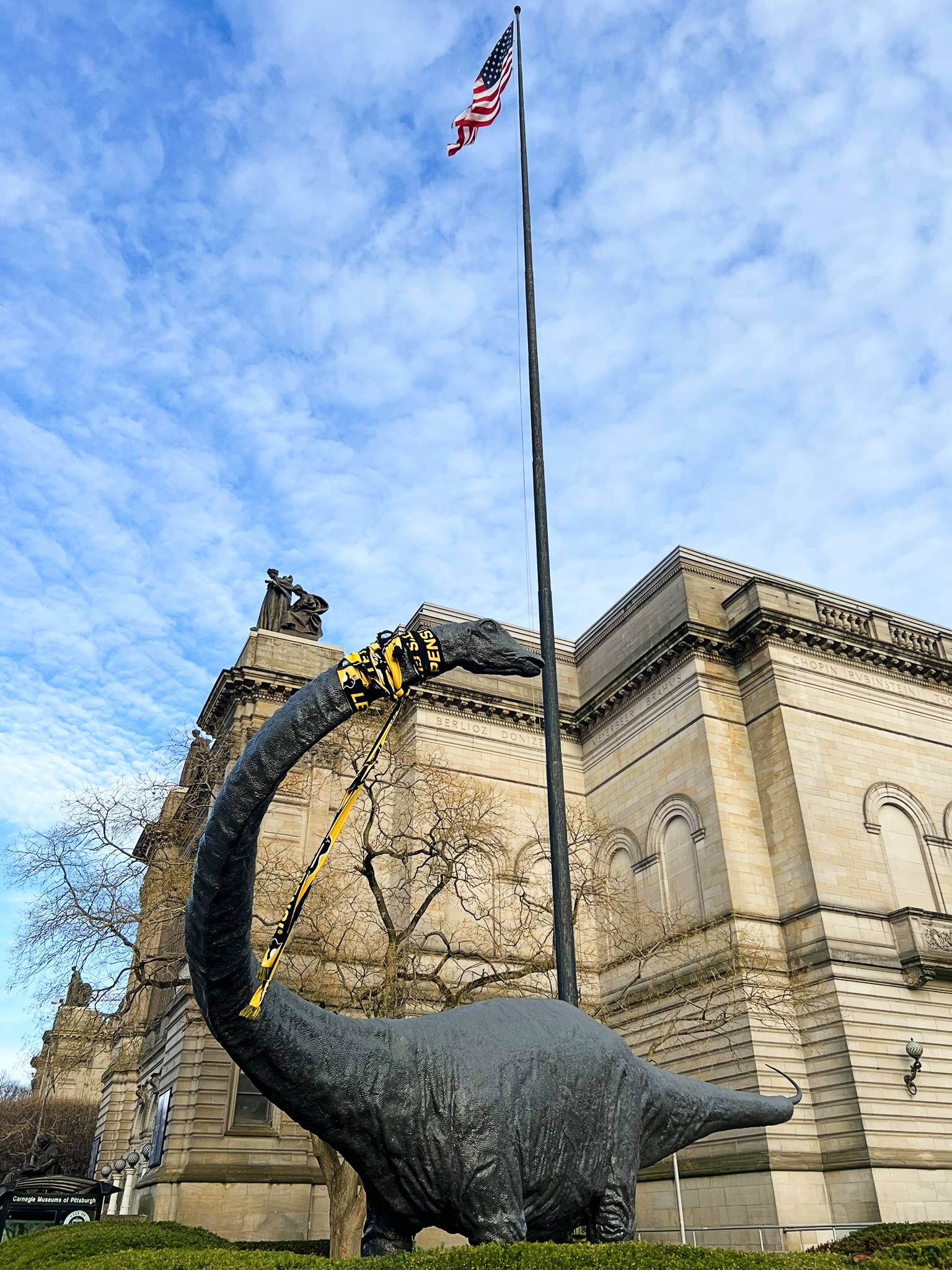
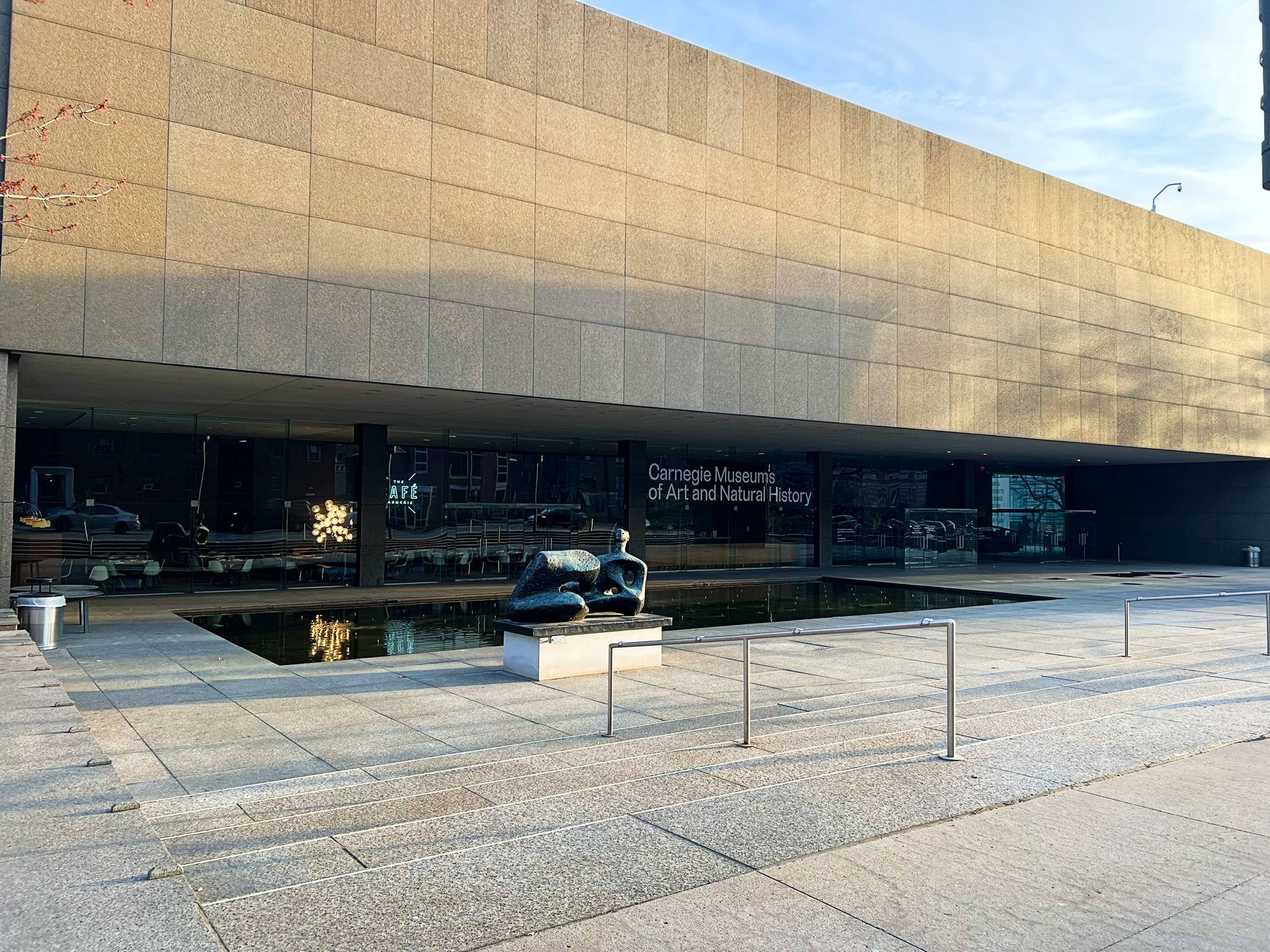
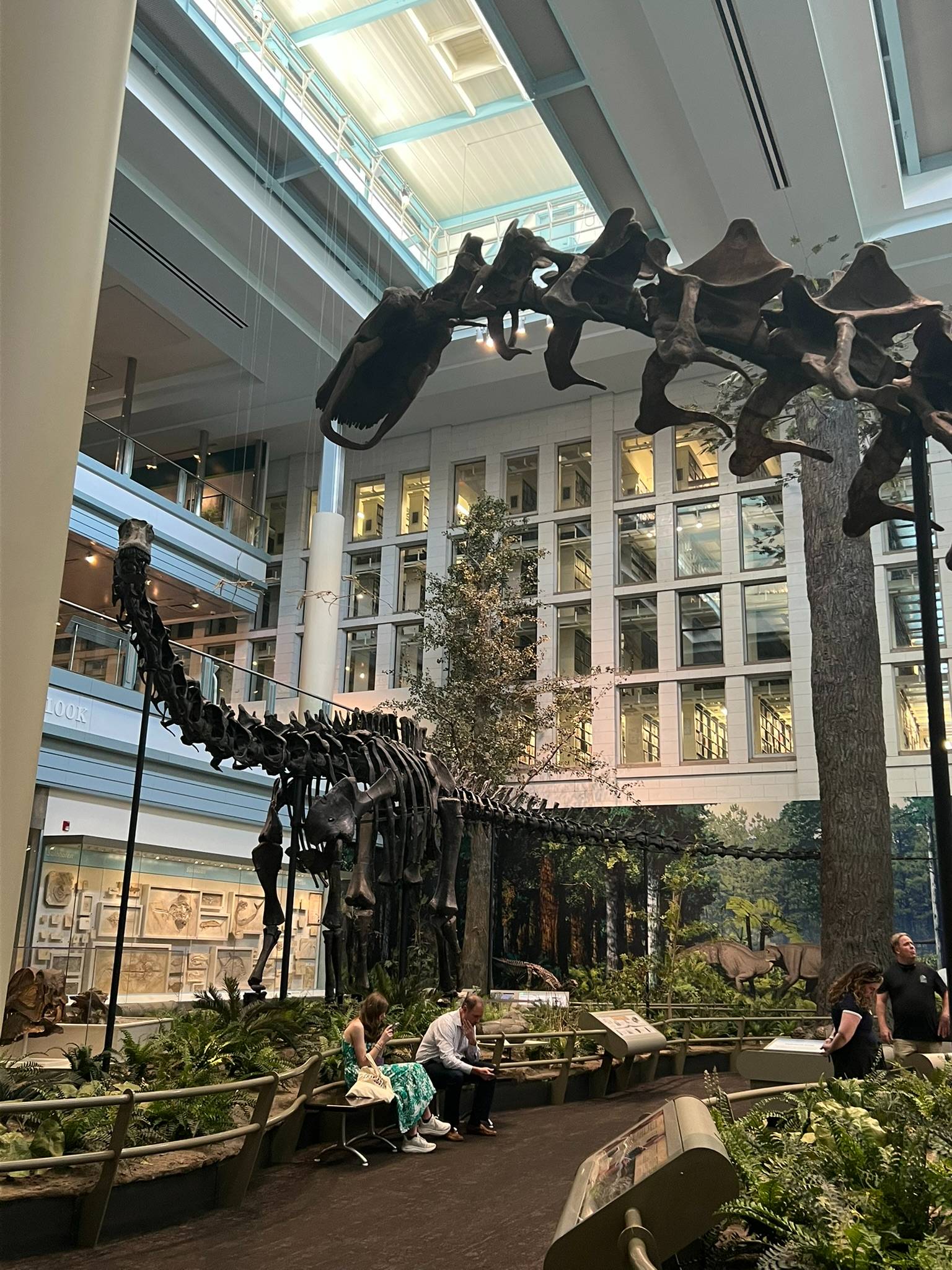
It is his collections, which he curated out of passions for science and education, that today are the Carnegie Museums of Art and Natural History. They are an extension of his work and vision for a legacy. It’s inspiring and beautiful.
The two museums (art and natural history) are different wings in the same building. You pay one admission fee and are given access to both.
We spent hours in the natural history side and had no energy left for the art, unfortunately. The collections for both museums are massive,
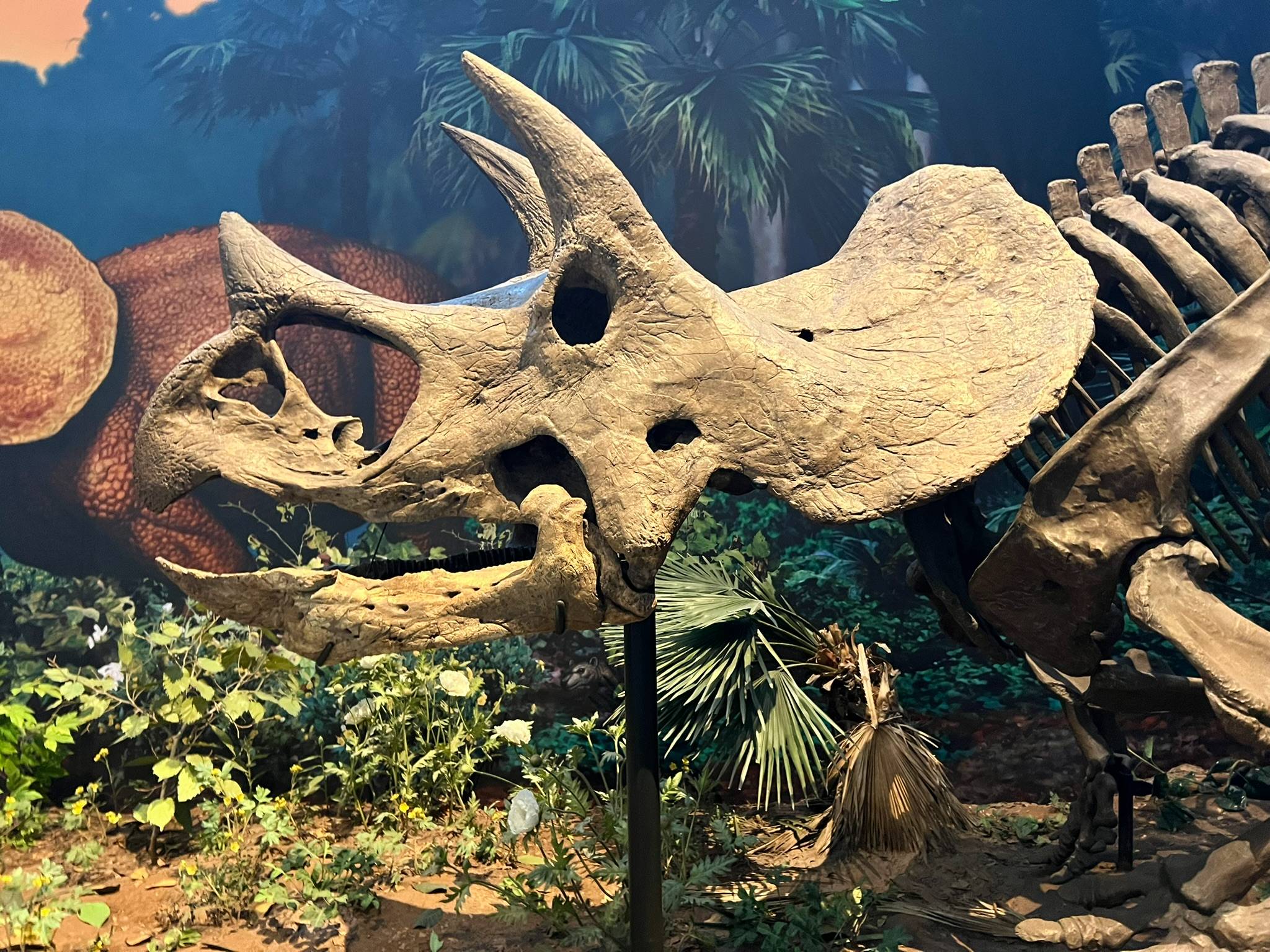
In the natural history section, we were blown away by the dinosaur fossils as well as the collection of gems. This was definitely worth the visit.
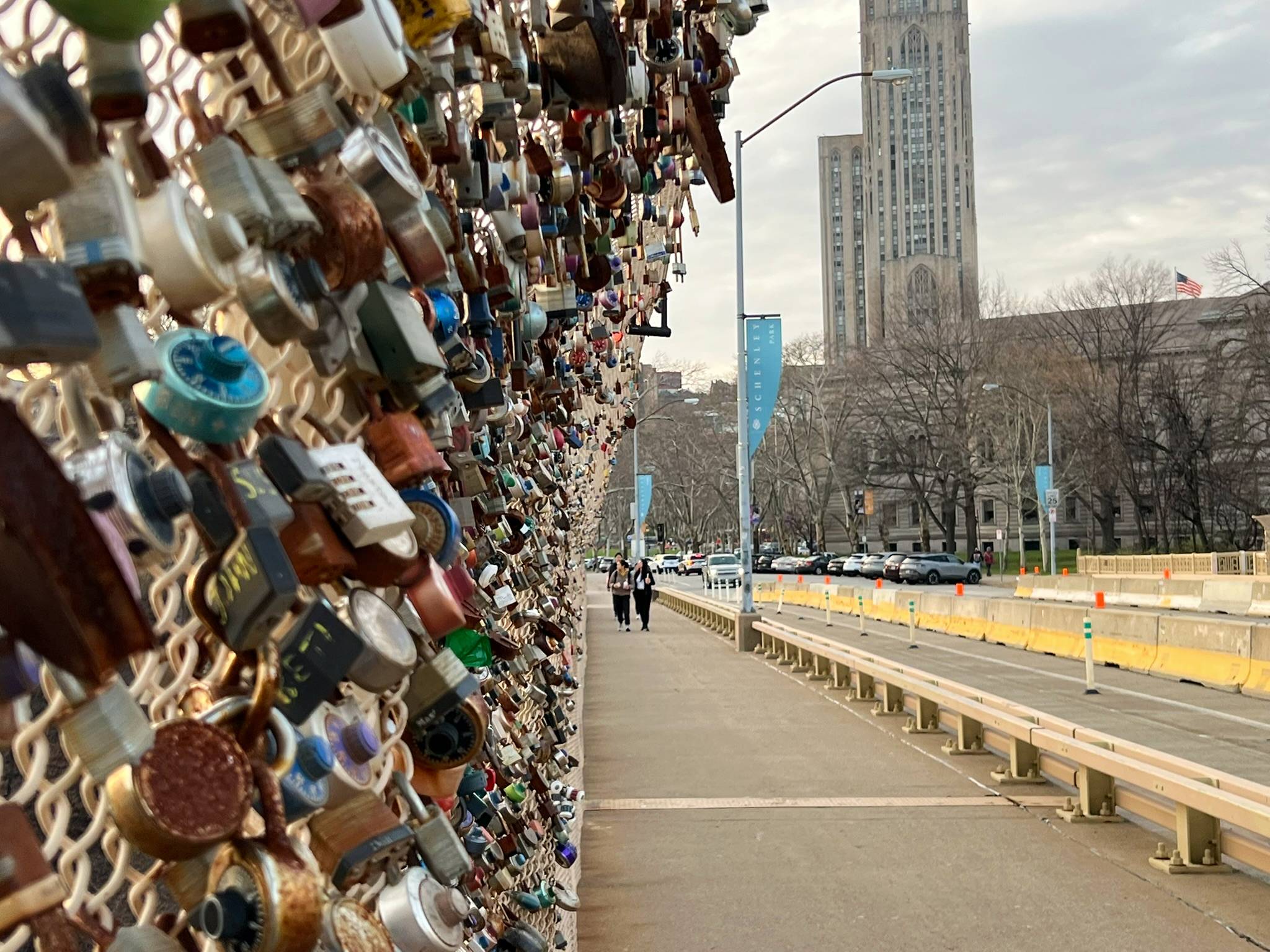
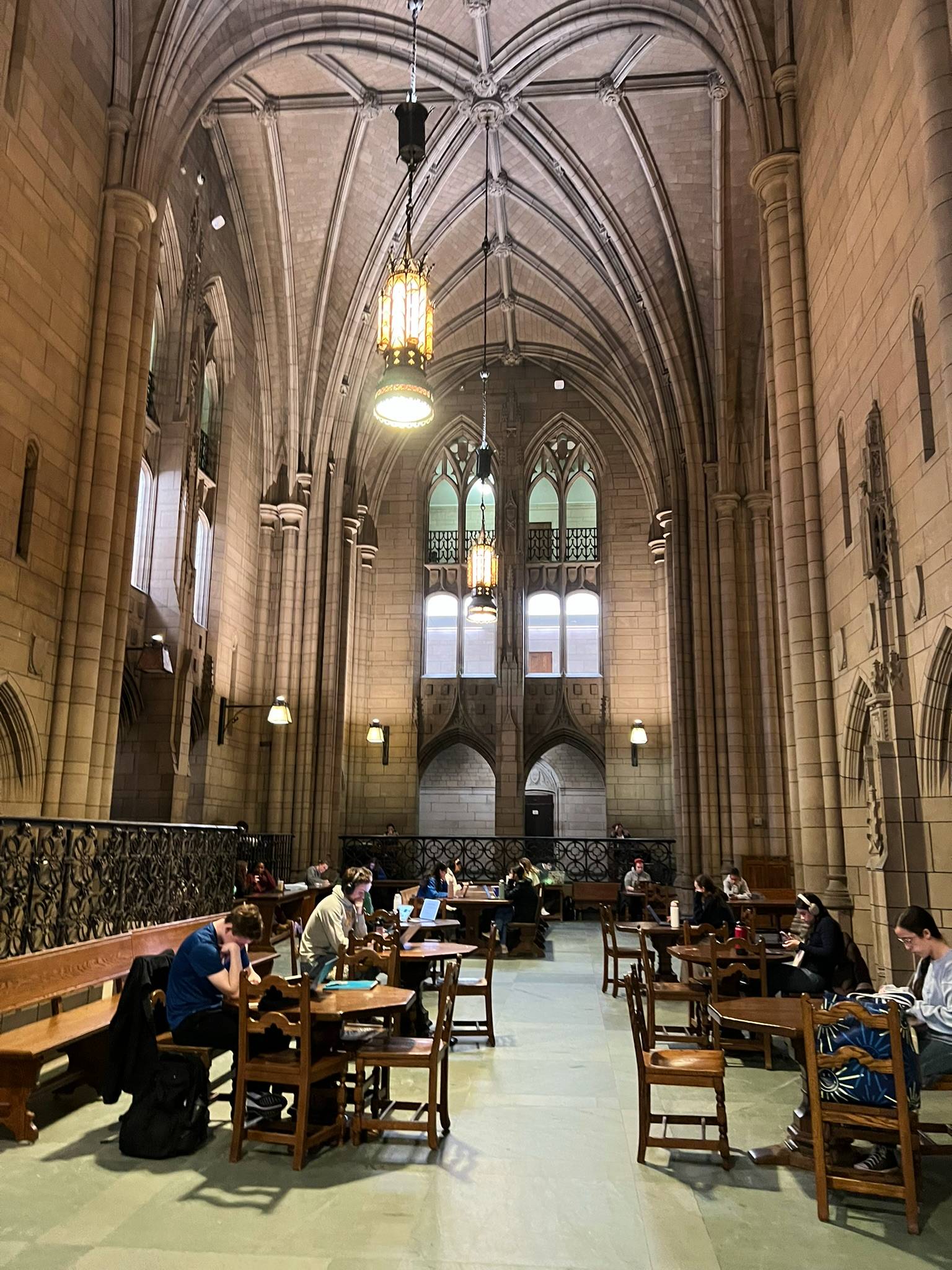
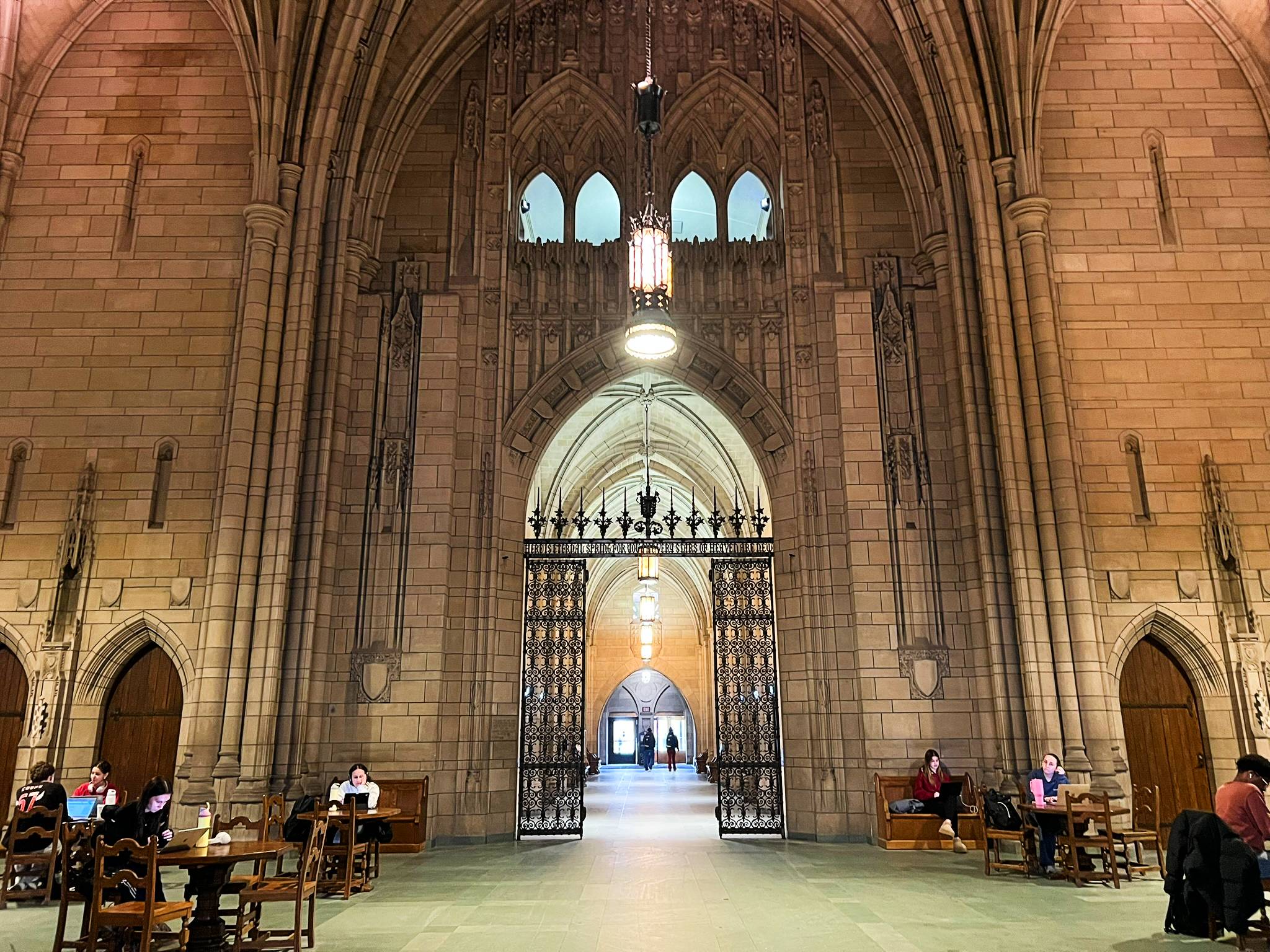
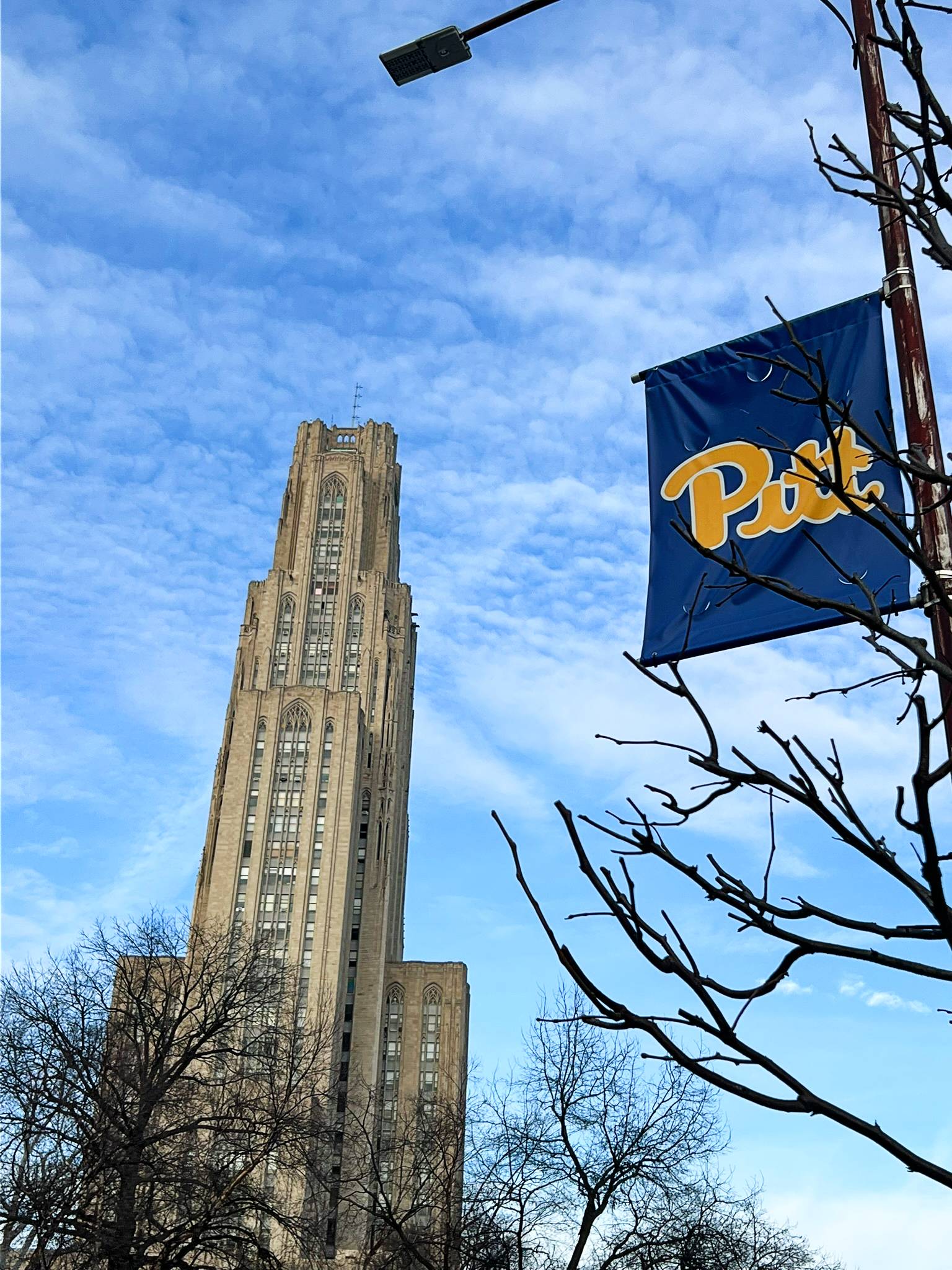
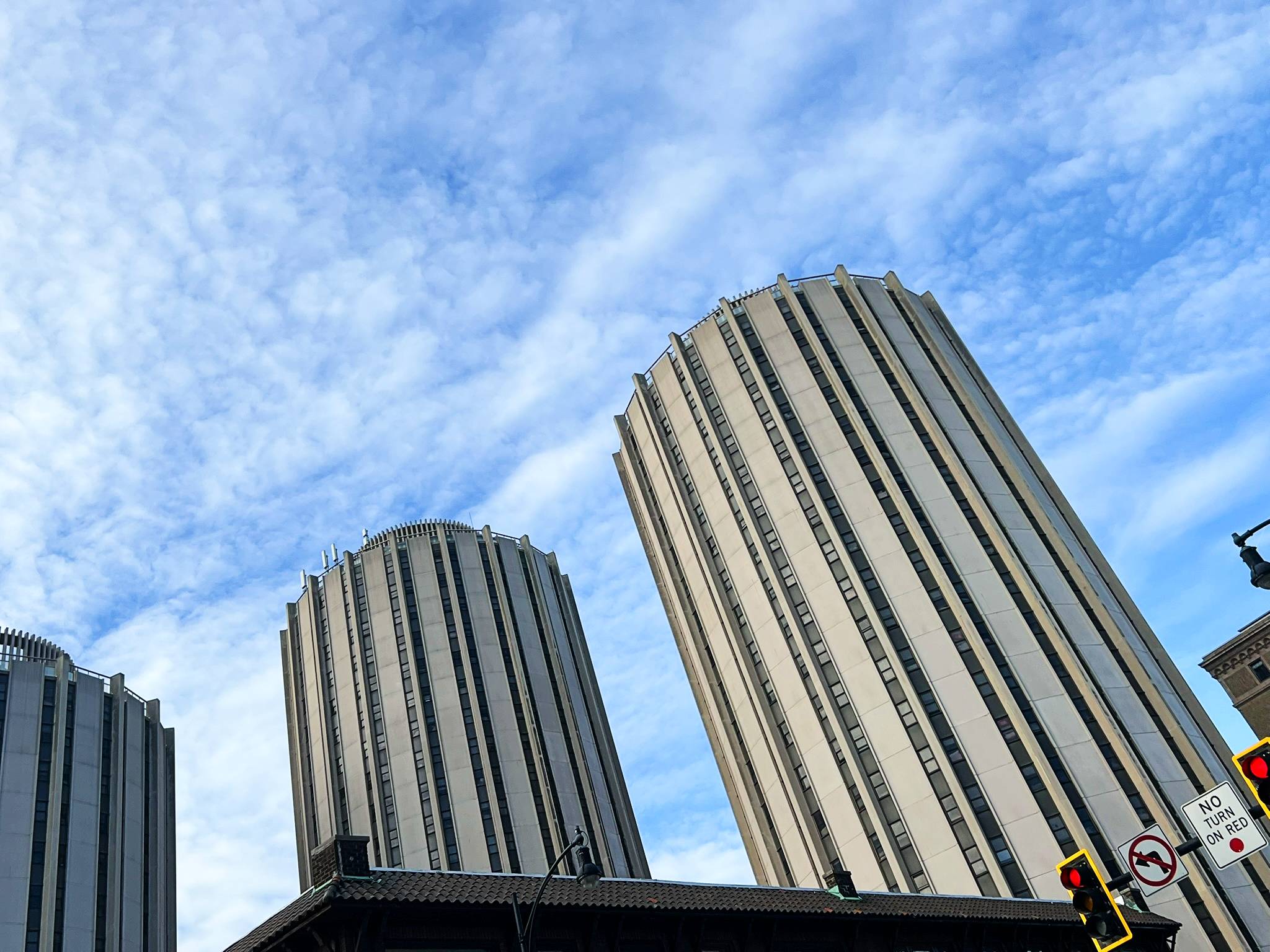
Not an actual cathedral, but the tall, iconic tower of the University of Pittsburgh. This building pierces the skyline in this area of Pittsburgh, and Pitt folks boast that it is the second-tallest educational building in the world.
The building is 42 stories high and its gothic architecture is impressive.
What is more fun are the nation rooms inside. Throughout the cathedral, various countries and nations have rooms that are decorated in a style that represents their culture. President Barack Obama visited the Lebanese room at one point.
It is free to enter the Cathedral of Learning, and if you have time, you can tour the various nationality rooms.
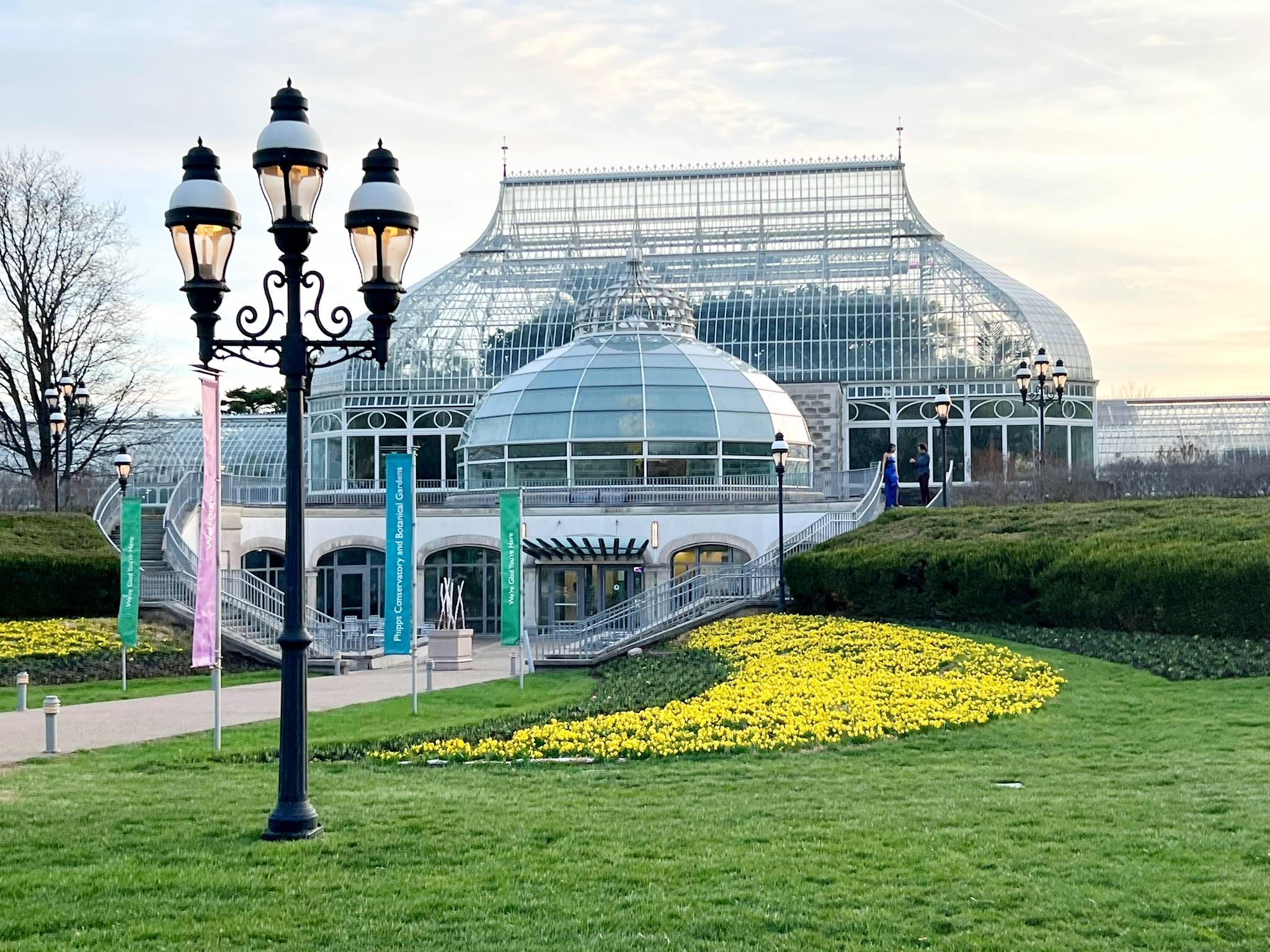
This beautiful building sits inside the park which abuts Carnegie Mellon and is next to Pitt.
The botanical garden was built in 1893 by a steel magnate (not Carnegie) as a gift to the city. So, naturally, the construction is steel and glass. It looks very Victorian. Today, there are 15 acres, 14 rooms, and 23 gardens of botanical delight for visitors to enjoy.
This is what we were in town to do, so I may be biased, but I found it really fun to tour the campuses of both Pitt and Carnegie Mellon. They are so different, yet they share a heartbeat.
Both of the institutions have iconic brands and have made many research discoveries. Also, neither campus is large, so you should have plenty of time to walk about.
If you feel interested, you can take official campus tours at each. At Pitt, you’ll discover what it’s like to be in a large, diverse student body in a bustling city. At Carnegie Mellon, you can view innovation at work in impressive, state-of-the-art labs.
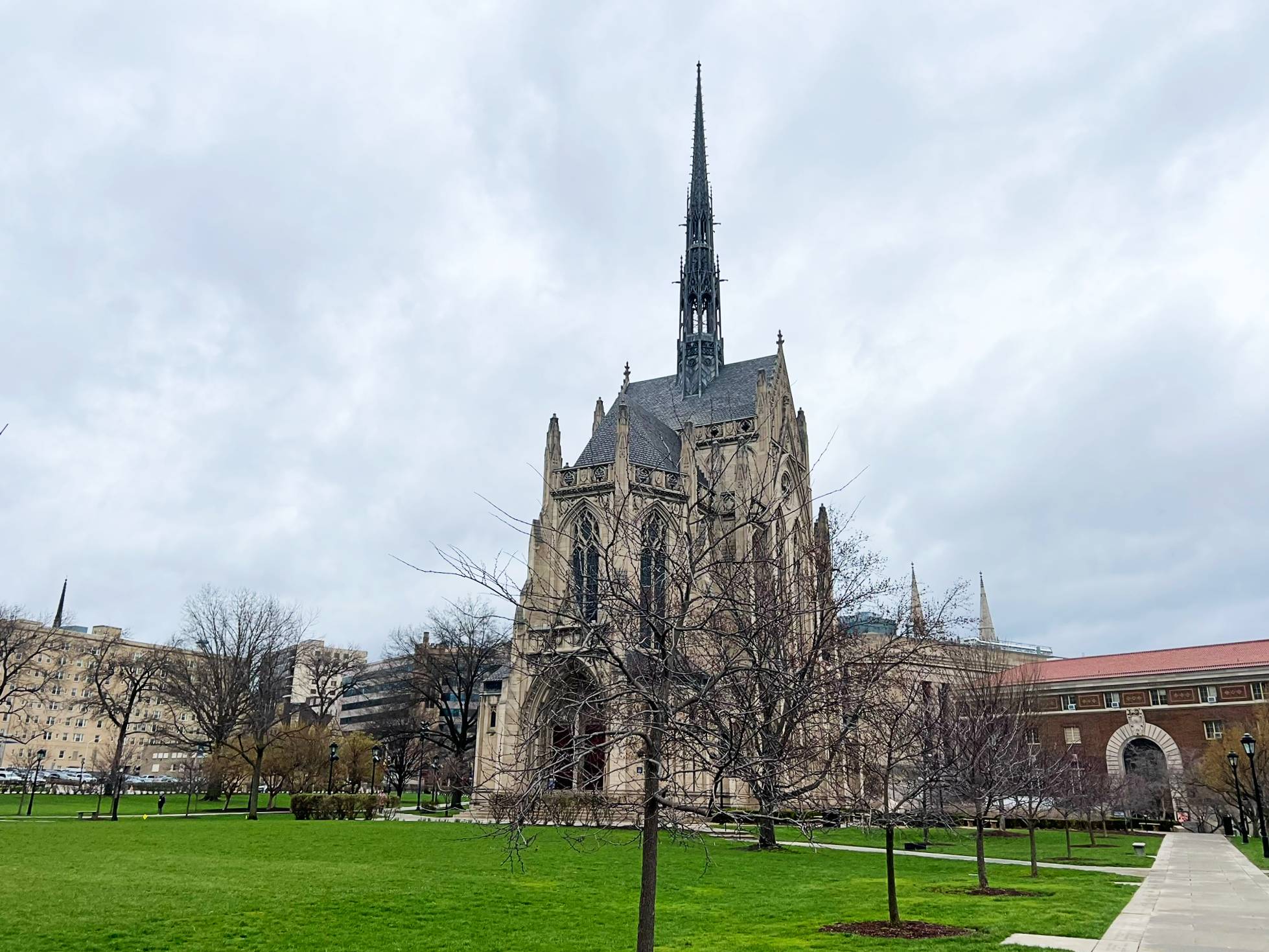
Heinz Memorial Chapel
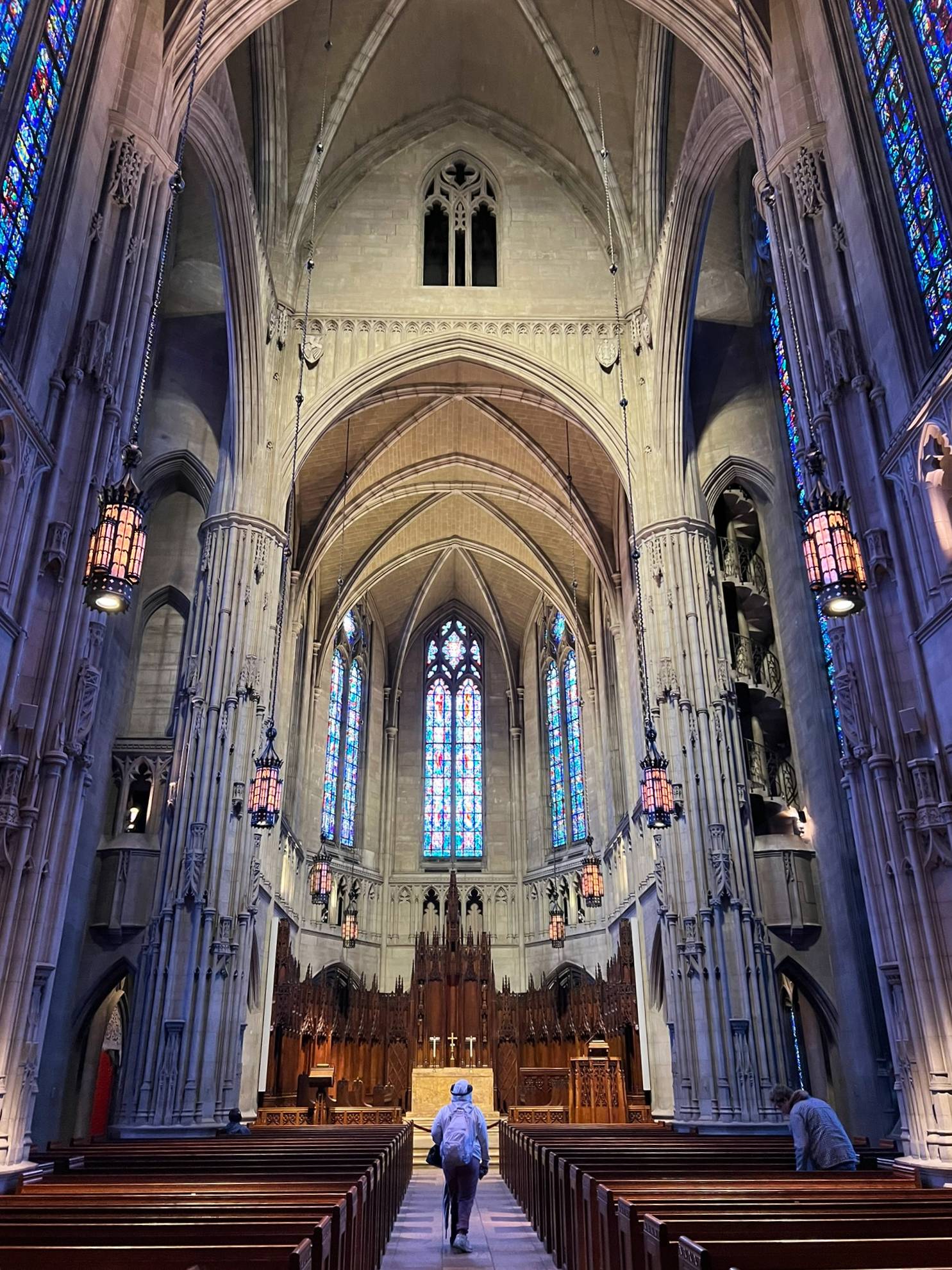
Part of the University of Pittsburgh, the Heinz Memorial Chapel was built by the founder of Heinz (Henry John Heinz) for his mother. It was dedicated in 1938 and is a historic landmark today.
The inside was beautiful. And, fun fact, the front door is ketchup red – on purpose.
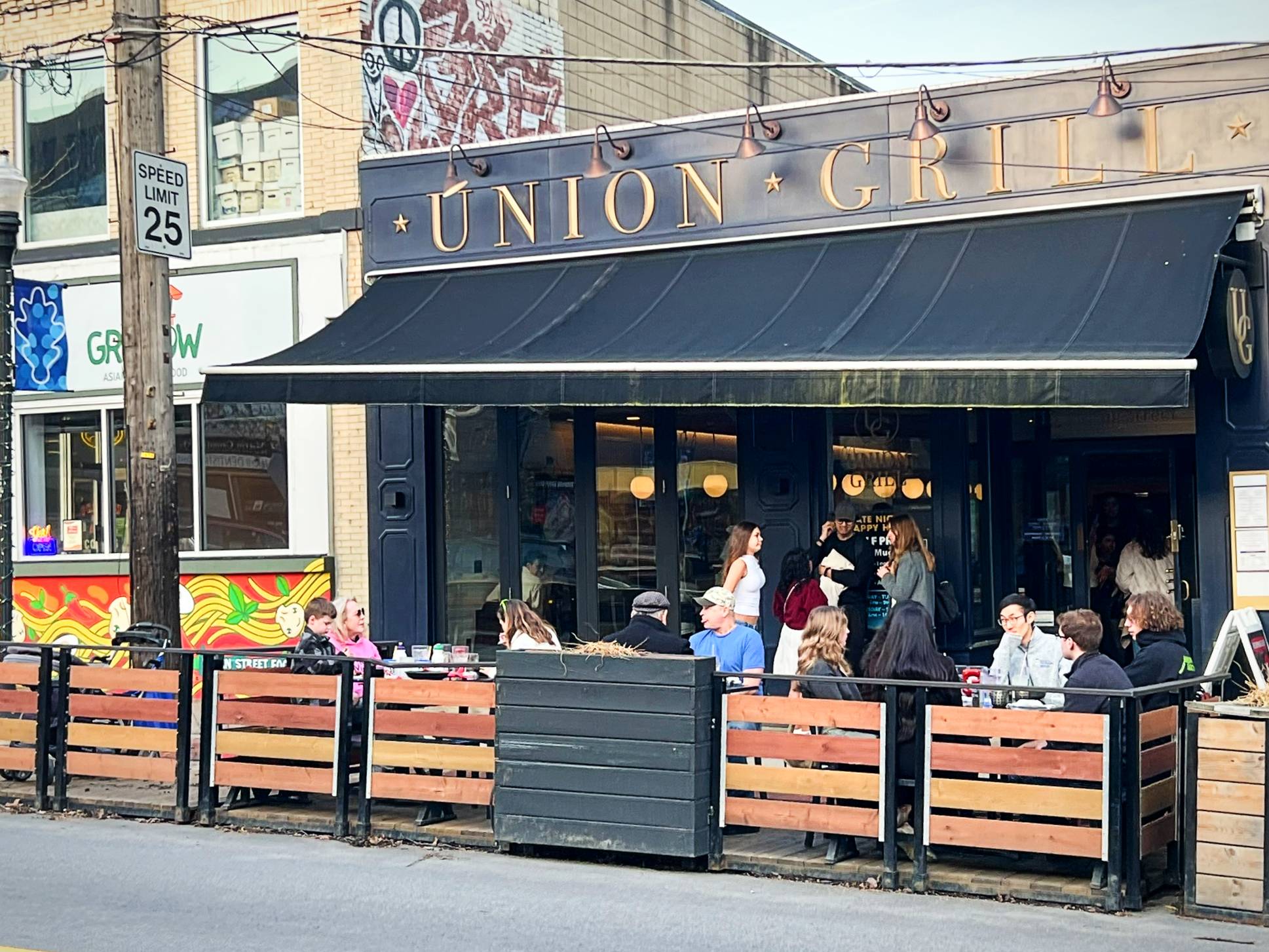
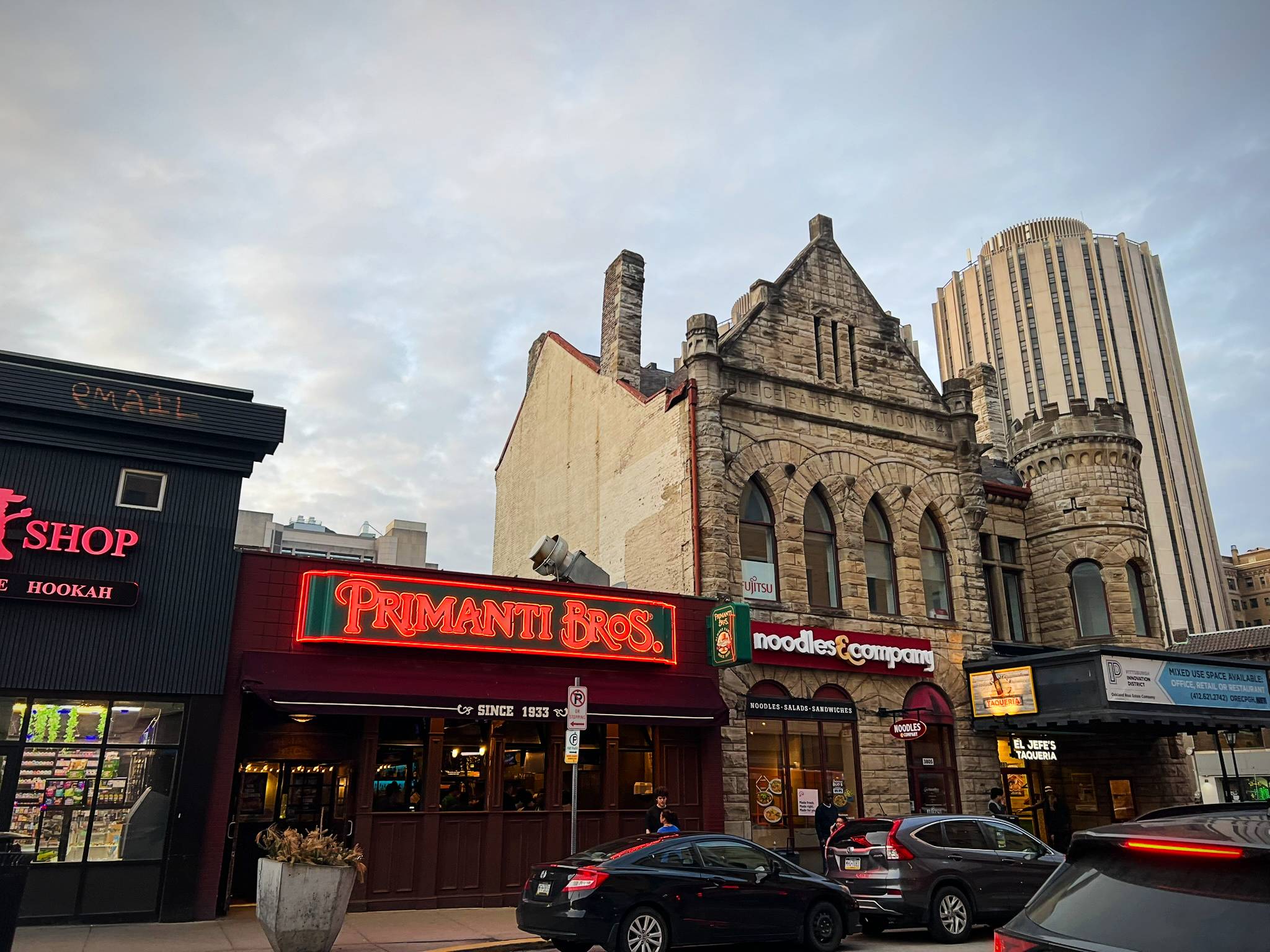
This place was down near Carnegie Mellon and a delight. We were there early, as it can get very crowded, but we thoroughly enjoyed the vibe, the pricetag, and the options.
I also tried the Turkey Devonshire. Made famous by Bobby Flay and the Food Network, this dish was rich and unique. It was like someone took the leftover Thanksgiving turkey, smothered it in cheese, and topped it with bacon. What could go wrong?
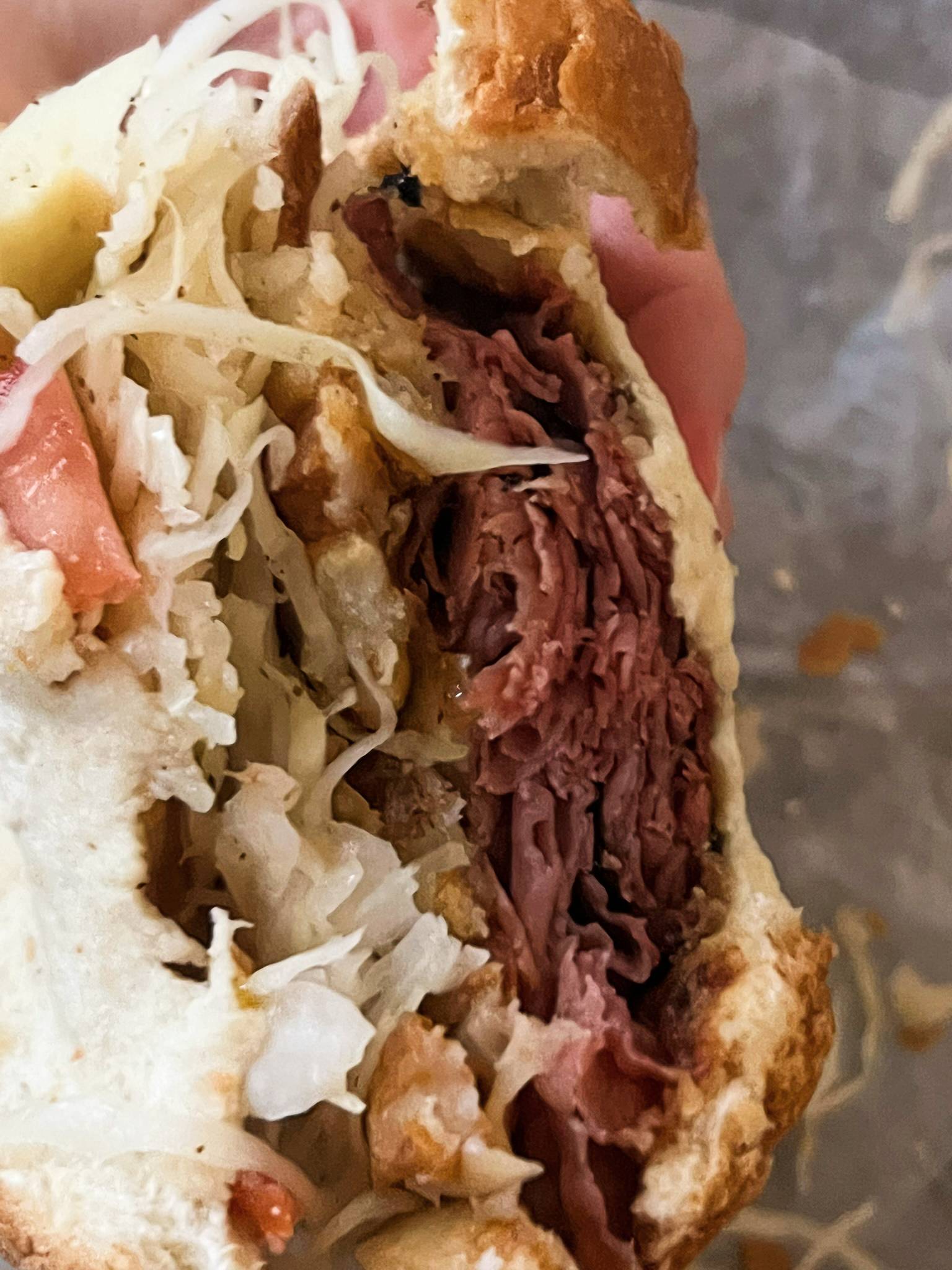
Primanti Bros is a Pittsburgh institution, now with multiple locations around the city. They are the best kind of greasy dive you can imagine.
Our sandwiches were piled high with the meat of our choosing, coleslaw, special sauce, tomatoes, and French fries, all between delicious bread. I loved this ridiculous bomb of salt and fat.
This patio-style restaurant sits in Schenely Park, and while you wouldn’t expect much given its tourist-trap location, we liked the food. Pizzas, salads, and sandwiches in a casual atmosphere were perfect for us on a Saturday afternoon.
Many others had the same idea, though, and the place was busy! We didn’t have to wait for a table, but there was a lot of activity around us.
We had plans to see more of Pittsburgh, to get downtown, to go up the incline. I was intrigued by the Heinz History Museum (NOT about ketchup, it turns out), but we simply ran out of time and energy.
But here were some things on our list:
The Strip District- at night!
Andy Warhol Museum
Point Park
The Dusquenese Incline
Heinz History Museum
The Zoo
I don’t know why, given our experiences with Baltimore and Cleveland you’d think I’d have expected this, but Pittsburgh was a very lovely, pleasant surprise! With these cities that so often get overlooked, their reputations reach us before we actually experience them.
Is Pittsburgh gorgeous to drive around? No, not really. All the steel bridges (there are 446 bridges! some college kids joked that they are the Venice of the East Coast), the active industry on the banks of the River, and the streets that get beaten up by winter snows don’t make it particularly attractive to drive into. But that’s all a deception, it turns out.
We found Pittsburgh, particularly the Oakland neighborhood, to be vibrant and full of wonderful experiences.