I arrived in Colombo, Sri Lanka (the capital city) absolutely bleary from over 24 hours of travel. I held in my hand my list of things to do here, but felt near tears. In the arrival hall, my prearranged ride service was nowhere to be seen, the language barrier was tough, and did I mention how tired I was? As I approached an airport concierge employee, he smiled broadly and offered to help me. Two phone calls (and 45 minutes) later, I was in a private car being whisked to what I hoped was my hotel as the sun set over the Indian Ocean in blood red and fuchsia pink off to my right. I was here. I had done it. I was in Sri Lanka.
I had traveled halfway across the world alone — no kids, no husband, no friends accompanying me. Just me. At the beginning of the year, I had set the goal for myself to see this island country off of India, and I was committed. It took strength, courage, and a lot of trusting my instincts. But I did it. (I am sure I’ll share more on my solo trip feelings and process as a middle-aged mom soon, so stay tuned).
I had been intrigued by Sri Lanka ever since an acquaintance of mine relocated there from Wilmington, NC, to start a yoga shala. While, alas, I was unable to connect with my friend while on this trip, I was so happy to see this country.
But my first stop was Colombo.
When my driver took me through the city in the fading light, I was reminded why so many people talk about hating Colombo and not thinking it worth the time. It was busy, it wasn’t particularly beautiful, and it was concrete. But it was pretty clean and there were so many people out there living a real life – one completely unattached to what a tourist from the USA was doing. And when I got out of my car, rushed through the humid air, and ended up in the hotel of my lobby, I was excited by the possibility of seeing Sri Lanka’s largest city. Today, there are an estimated 5.6 million people who live in the metropolitan area.
Sri Lanka was first under Portuguese rule, then Dutch, then British, and was finally granted independence in 1948 (not that long ago!).
Colombo is not known for being a tourist destination. It is a place of business and commerce. There is a large port – with a vision and plans for expansion. While tourists do come (like me), they will not find the same infrastructure to make tourists feel comfortable as in towns like Ella. Also, usually tourists are seen from a mile away and tuk tuk drivers approach, wanting to “help.”
That said, while I felt strange being alone for the first time in over a decade in such a different country, I never felt in danger. Colombo felt big and sweaty, but it never felt dangerous or scary.
While I was ready to leave Colombo after a day and a half, it was mostly because I was excited to see what Sri Lanka held. I don’t feel a burning desire to go back to Colombo, but I also am so glad I didn’t skip this, as many tourists do. Seeing Colombo gave me a piece of Sri Lanka that is an important part – the part that is a striving, thriving economic town. They are recovering from economic disaster after COVID and still trying to find their way through hustle and commitment.
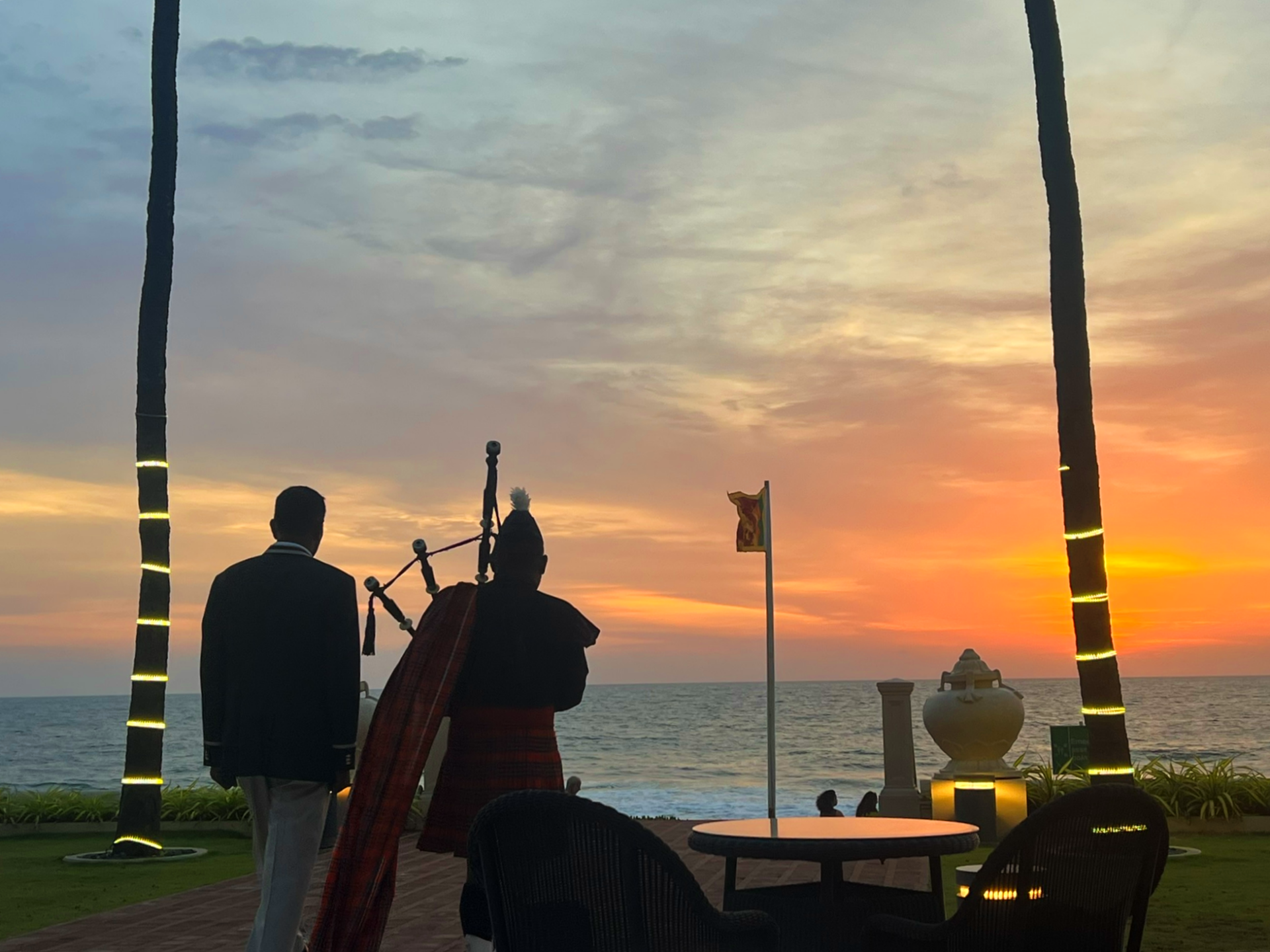
(Plus, I got to see some really cool landmarks and watch the sun set over the ocean with bagpipes played in the background. What’s to complain about?)
Get Tips from the Trip Delivered
Life with a family is constantly a trip, and we’re here to take it with you. Once a month, we send intimate essays, tips, book recommendations, and travel guides to help you live an intentional family life
I only had a day and a half in Colombo and felt as though that gave me a decent amount of time to see the standard sites (listed below). If you have more time and interest, I highly recommend this blog post from That’s What She Had. The author is an expat who has lived in Colombo for years and has quite a lot of recommendations for things to do (more that I had time for).
Getting to Colombo, Sri Lanka
I flew into the Colombo airport, which is actually closer to Negombo than it is to Colombo! During high traffic times, the drive can be over an hour.
I had arranged a car service since I knew I’d be arriving right at sunset and quite exhausted. But there were car and cab services in the arrivals hall. Uber also works in Sri Lanka. (I would not take a tuk tuk from the airport to Colombo for what that advice is worth to you.) Pickme is also a popular app in Sri Lanka.
I’ll be doing a full round-up post on traveling Sri Lanka soon, but it takes a very special constitution to be able and willing to drive these roads. I’d think hard before I rented a car and tried to drive myself (and you know that we’ve driven some roads).
Tips on Visiting Colombo, Sri Lanka
Colombo (in fact, Sri Lanka in general) is still a cash-based economy. Even if places say they take Visa, sometimes the Internet connection goes down, and they no longer have the ability to process card transactions. Restaurants in high-tourist areas were pretty good about taking cards but, for the most part, plan to use cash for purchases.
While many residents in Colombo speak some English, it can be heavily accented and still be difficult to understand.
Colombo doesn’t have much of a nightlife. Sri Lanka is a country where the vast majority of the residents are Buddhist, so there aren’t many bars or activities that revolve around alcohol. That said, it is still a major city so if you want to go clubbing, you can find places.
It is humid in Colombo. Plan to dress accordingly. Additionally, I’d advise tourists to dress more modestly than what they may be accustomed to wearing in the U.S. Again, the culture is based on practicing Buddhism and women dress conservatively – no yoga leggings and sports bra as daily wear, for example. I had lightweight skirts, t-shirts, flowing linen pants, and maxi dresses, and felt I was appropriately respectful. To go into any temples or mosques, knees and shoulders must be covered. This is enforced. I always had a lightweight scarf available for visits.
I was drawn to the history and the location. It also didn’t hurt that I was traveling solo, and the idea of luxury and ease was appealing.
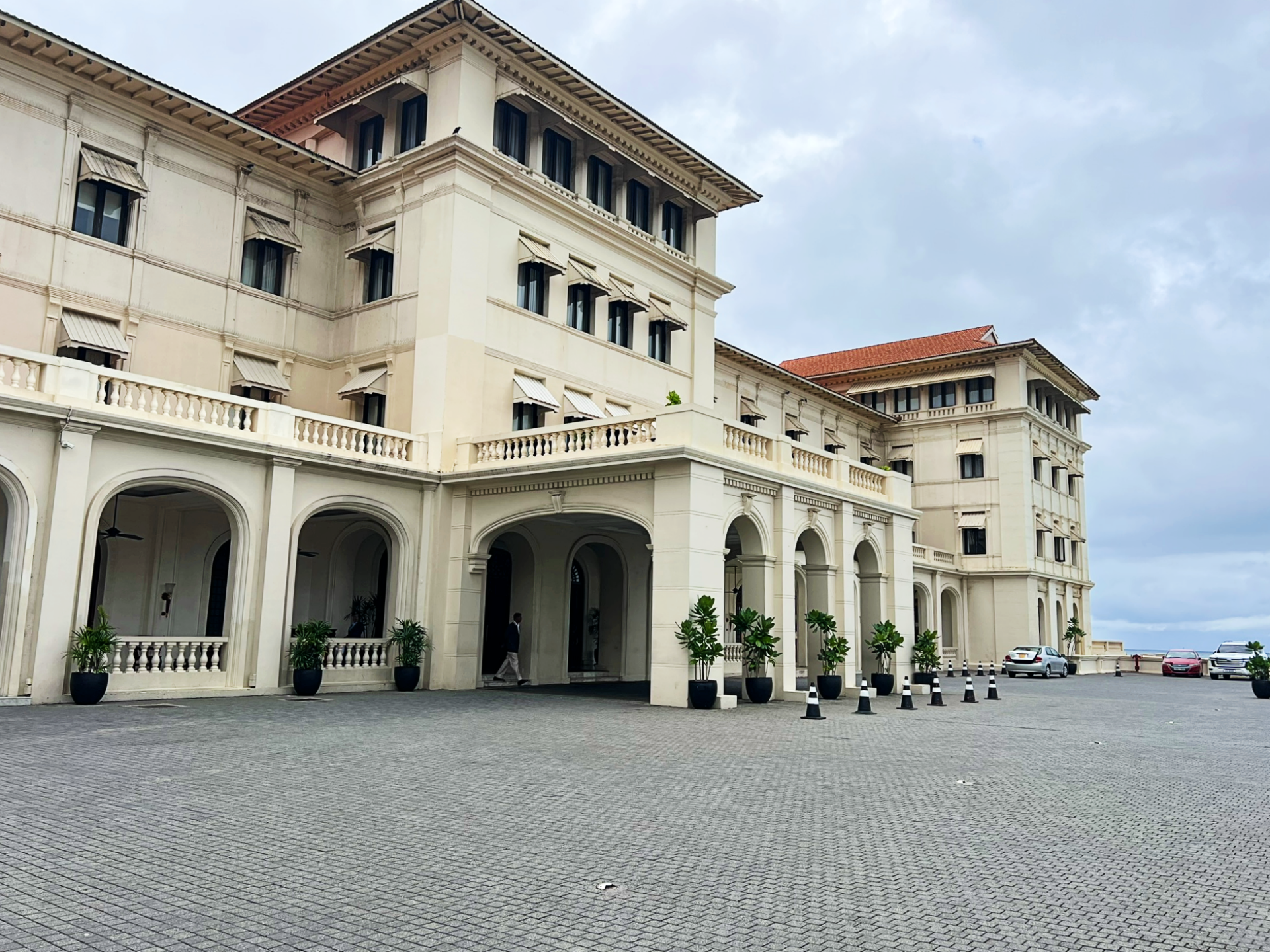
Galle Face Hotel is expensive by Sri Lankan standards. But given the exchange rate of the USD, I was able to get a night at this beautiful hotel for less than what I spend on a Holiday Inn Express on a soccer tournament weekend. But if you are looking for a budget-friendly stay in Sri Lanka, this isn’t it.
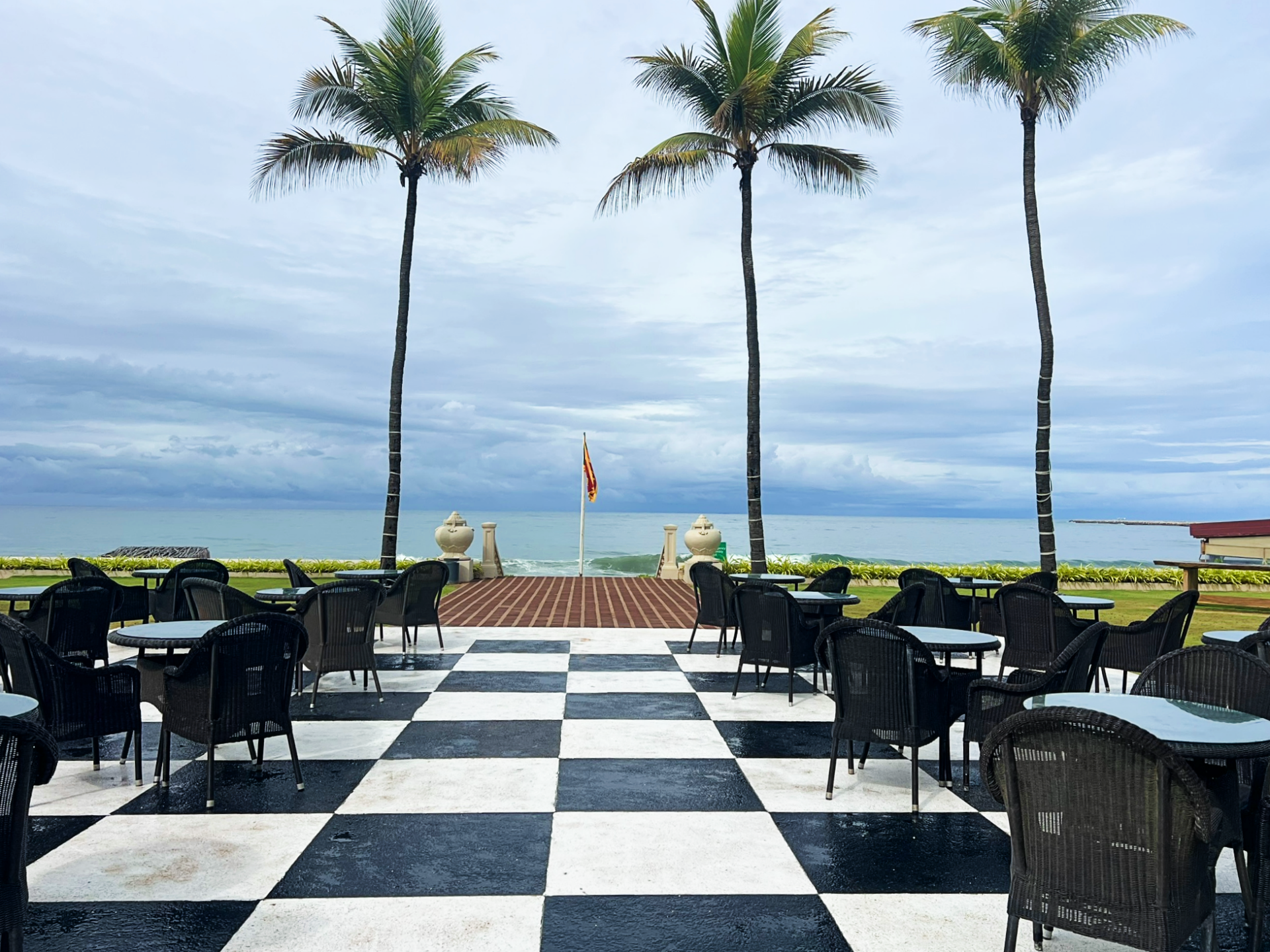
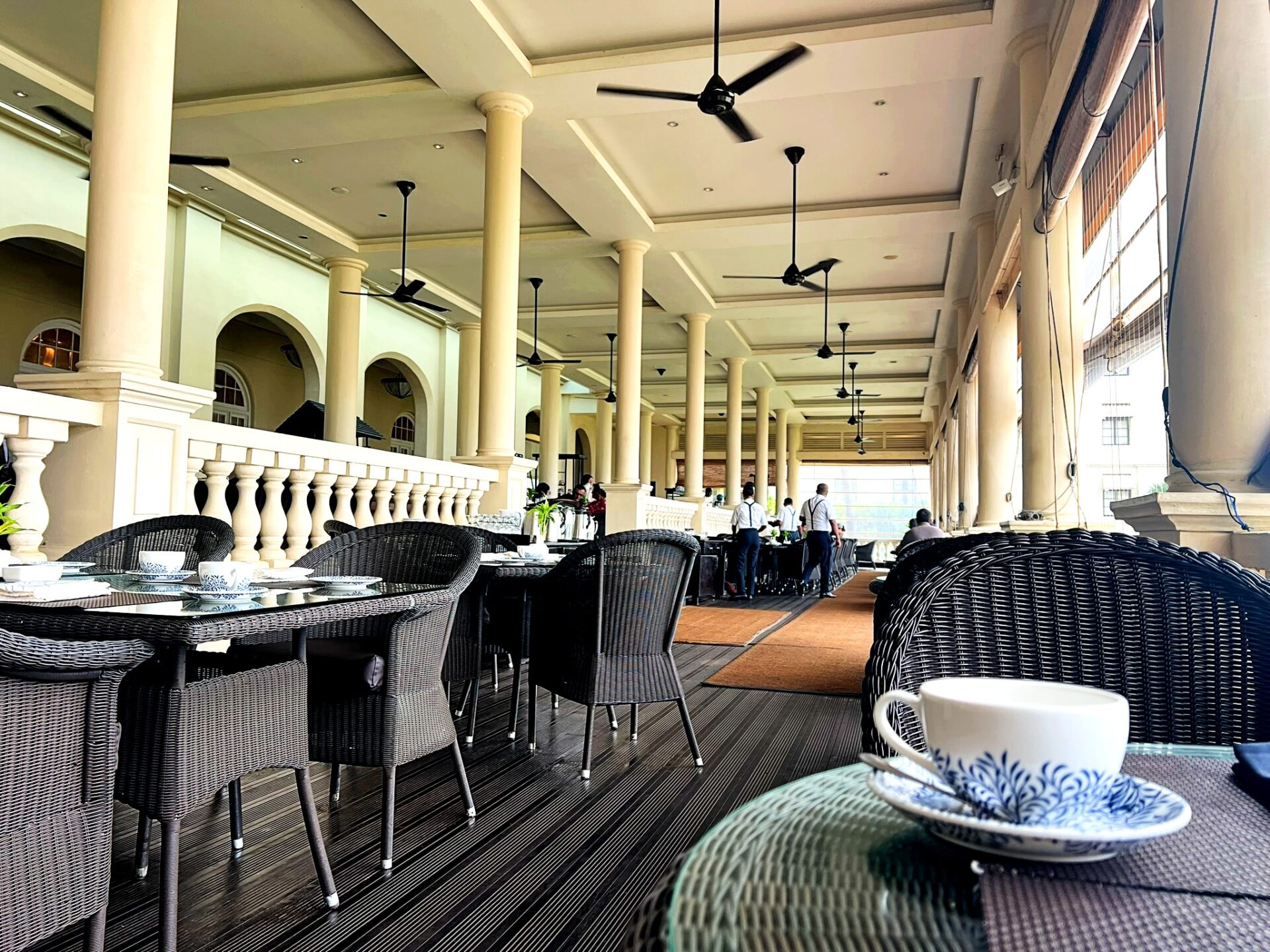
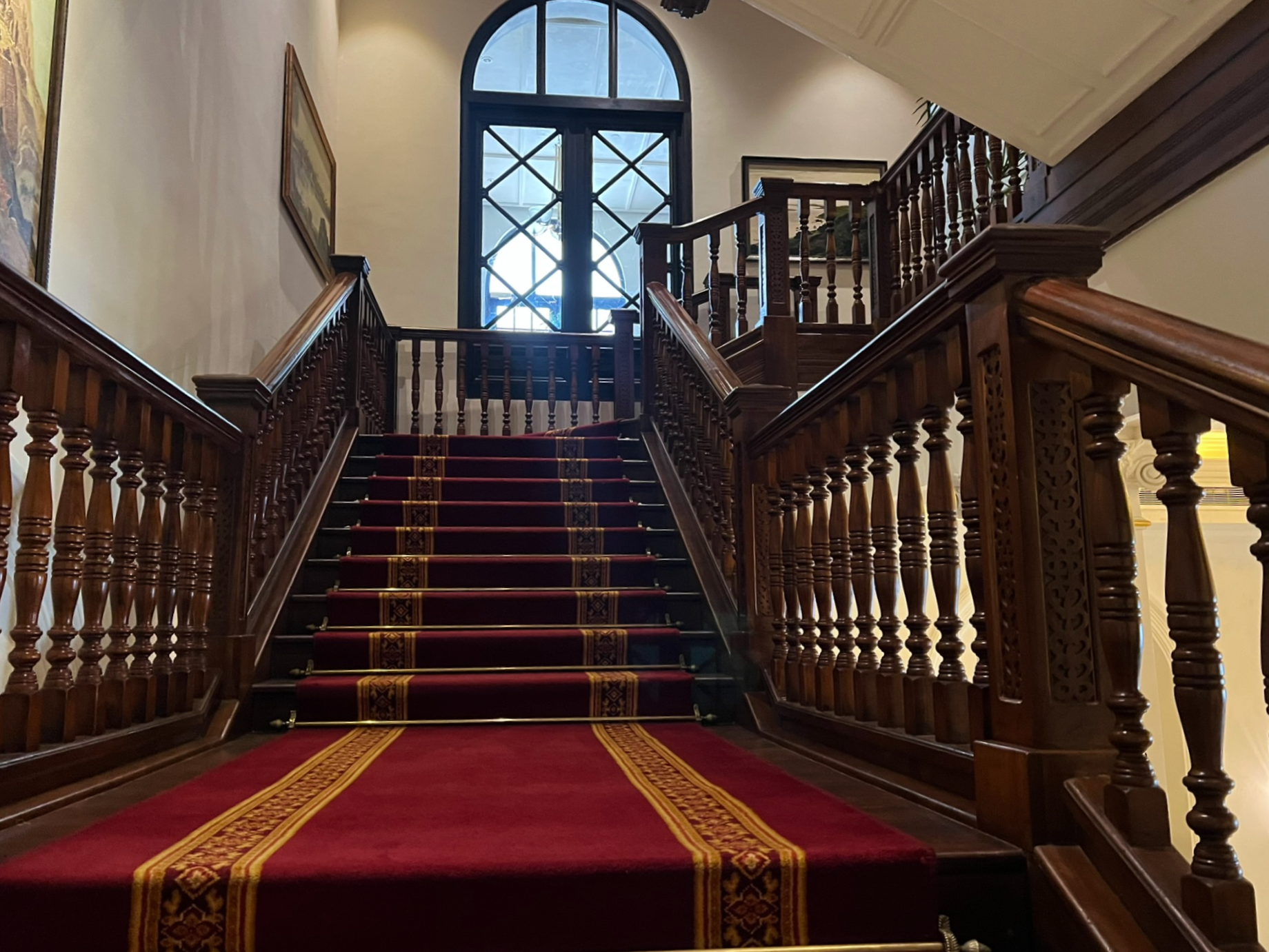
I loved this old hotel. There were three restaurants, a bar/lounge, a small beach, and a pool. The long veranda looked out on the ocean. The location was great: it buts up against the Galle Face Green.
My room was incredibly comfortable and I slept soundly. I bought the breakfast package, and the breakfast buffet was impressive!
One of the best things about the Galle Face Hotel, though, is the sunset tradition. Read more on that below, and know that you do not have to stay at the hotel to enjoy that ceremony.
Things to do in Colombo, Sri Lanka
Table of Contents
Take a Guided Tuk Tuk Tour (Consider a Food Tour)
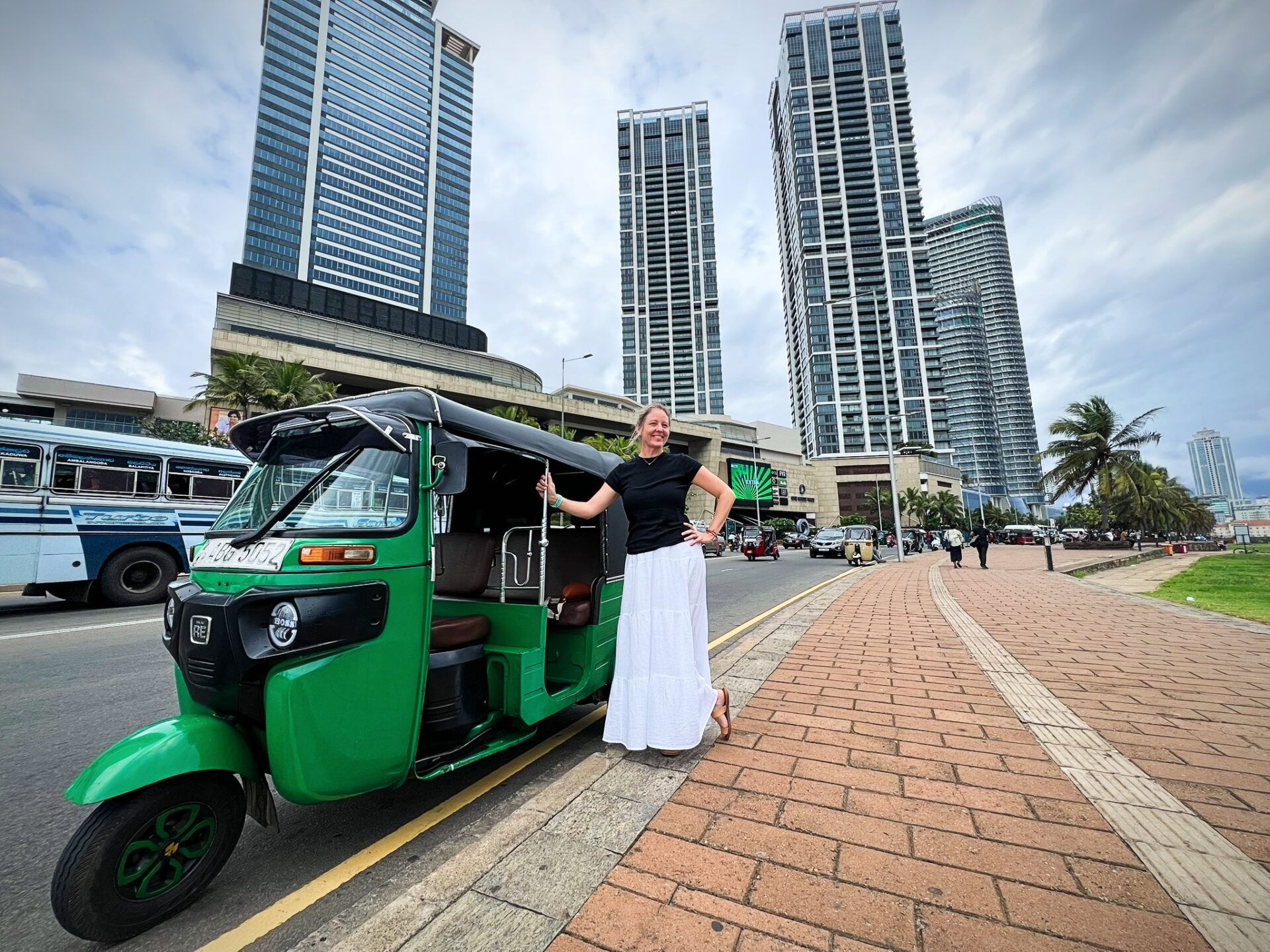
Most of the top sites in Colombo are in an easy distance from one another and can be seen together in half a day. The best way is to book a tuk tuk tour in advance. The driver will take you to nearly all of the places on this list.
Note on tuk tuk drivers: this is their business and their livelihood, and it’s a competitive one. So hailing one on the street can be stressful given the ensuing negotiations that will inevitably occur. They are also relentless in trying to get you into the tuk tuk and get your fare. ALWAYS pre-negotiate your price for your ride before you get in the tuk tuk.
Otherwise, booking in advance with a guided tour (such as this one) is a safe bet. You will want to tip a little, of course, but knowing upfront what you will pay is important.
I did this Tuk Tuk tour, which was also a food tour. Tuk tuks can hold 3-4 people besides the driver and are basically the primary mode of transportation around the cities in Sri Lanka. They zip and weave with their diesel fumes down roads and alleyways.
The tour I was on was great as I got to see so many things in a short time. But, alas, I did not get much of the food promised on the tour. It was also, I will be honest, somewhat awkward to be on the tour alone, trying to make conversation with my guide for a few hours.
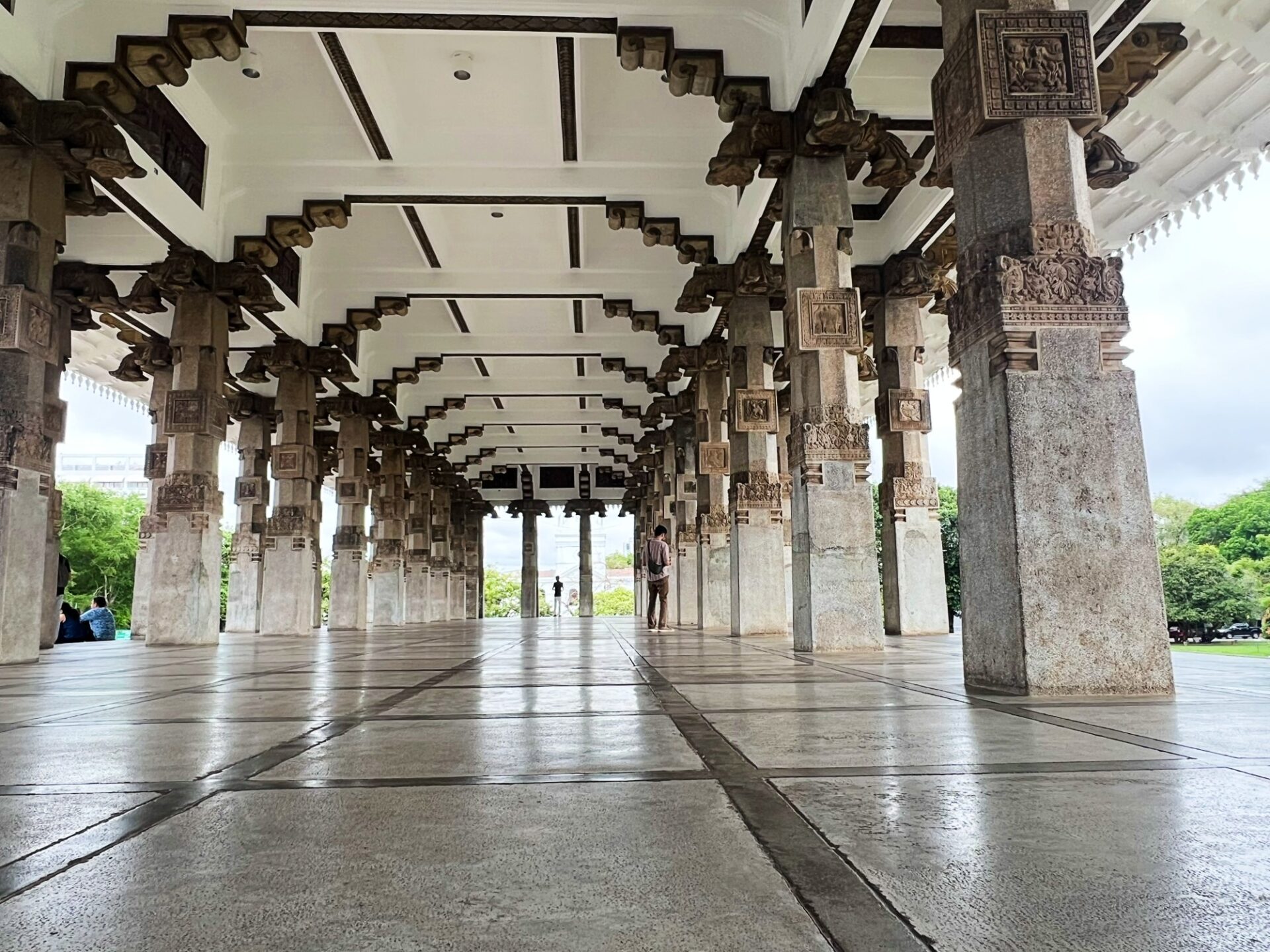
But in addition to other stops on this list, the tour took me to the Maritime Museum,Viharamahadevi Park, and the pavilion at Independence Square. These were interesting places to stop and take in, but I did not feel I needed much more time at these stops.
Pettah Market
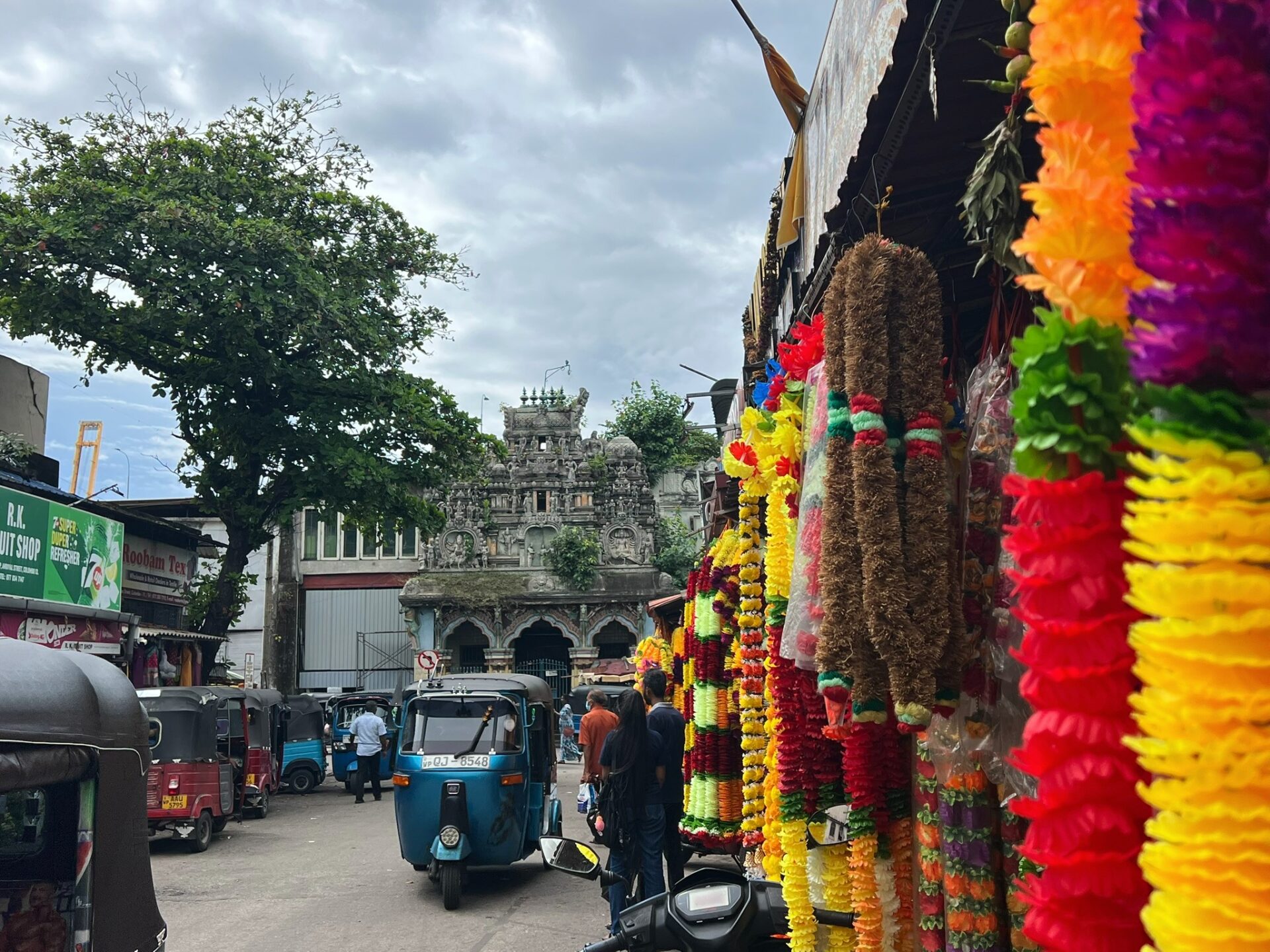
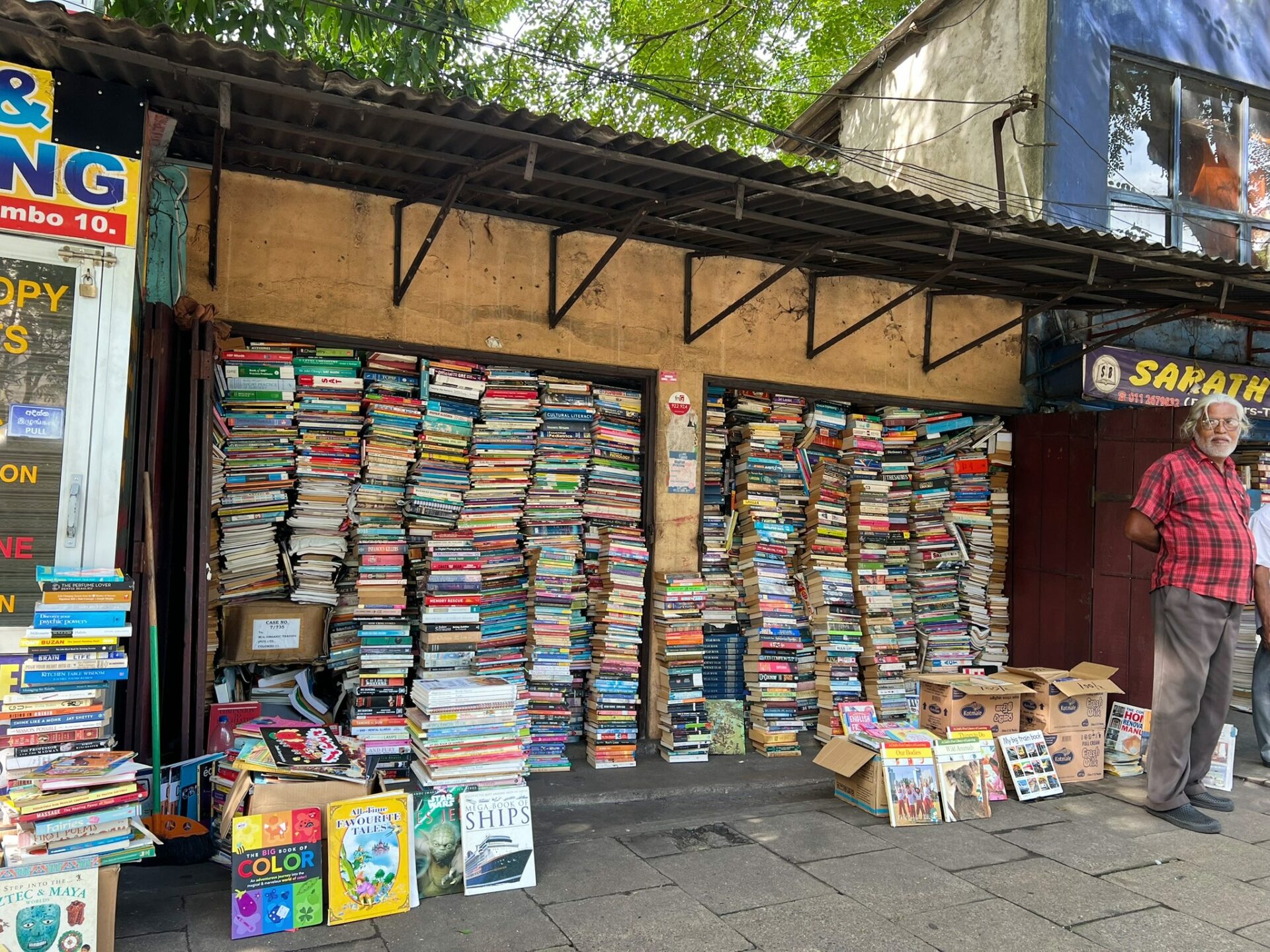
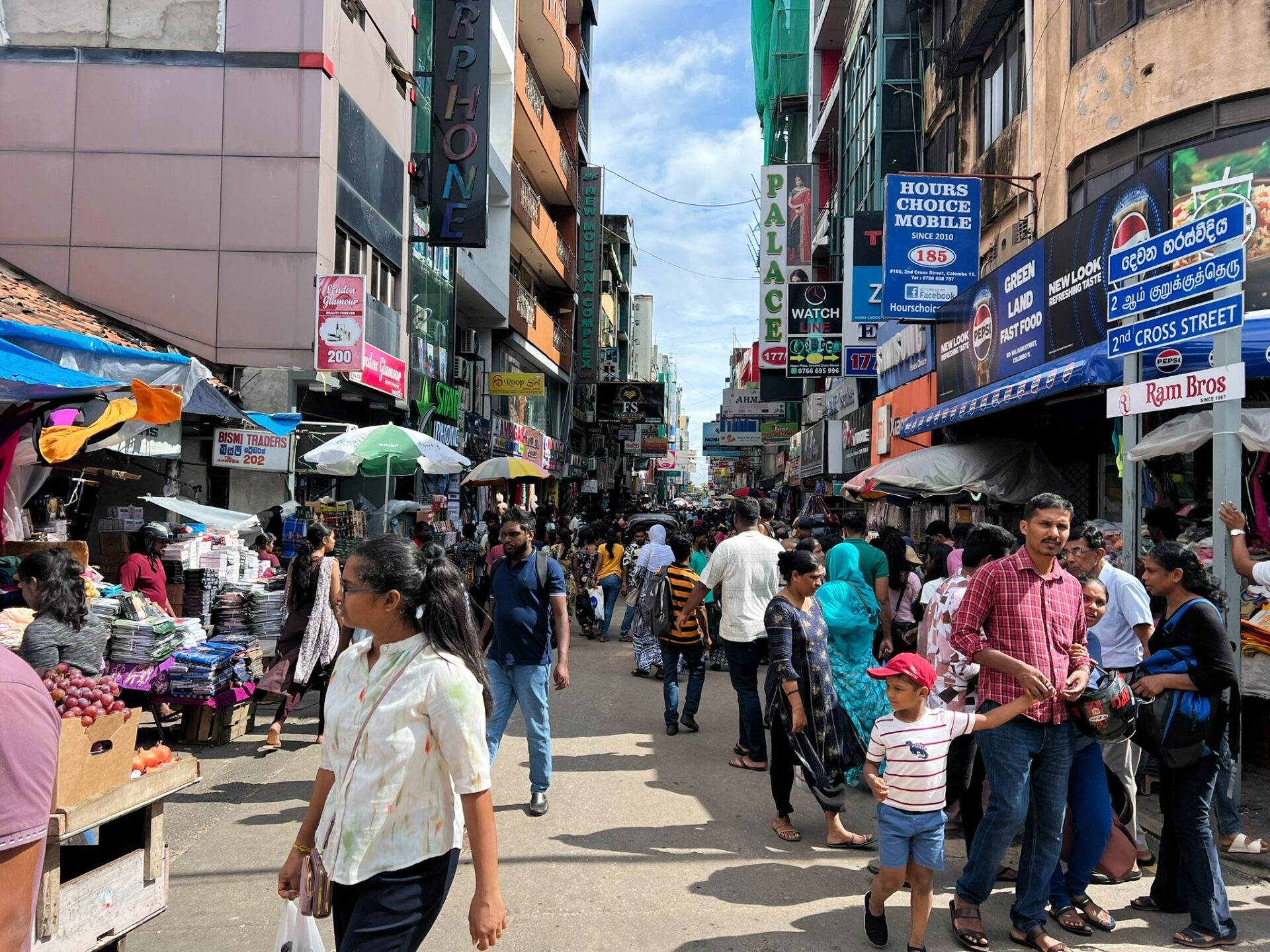
Pettah Market is a swath of streets that offers the primary Colombo market. This is where the locals go to get what they need. It is absolutely packed. I did not do much walking around at all just from sheer overwhelm of bodies and activity. From what That’s What She Had reports, this isn’t the place to do your souvenir shopping. Not much here is Sri Lankan made. But it is a place to see to understand how daily life works in this major city.
Visit the Vegetable Market at Pettah
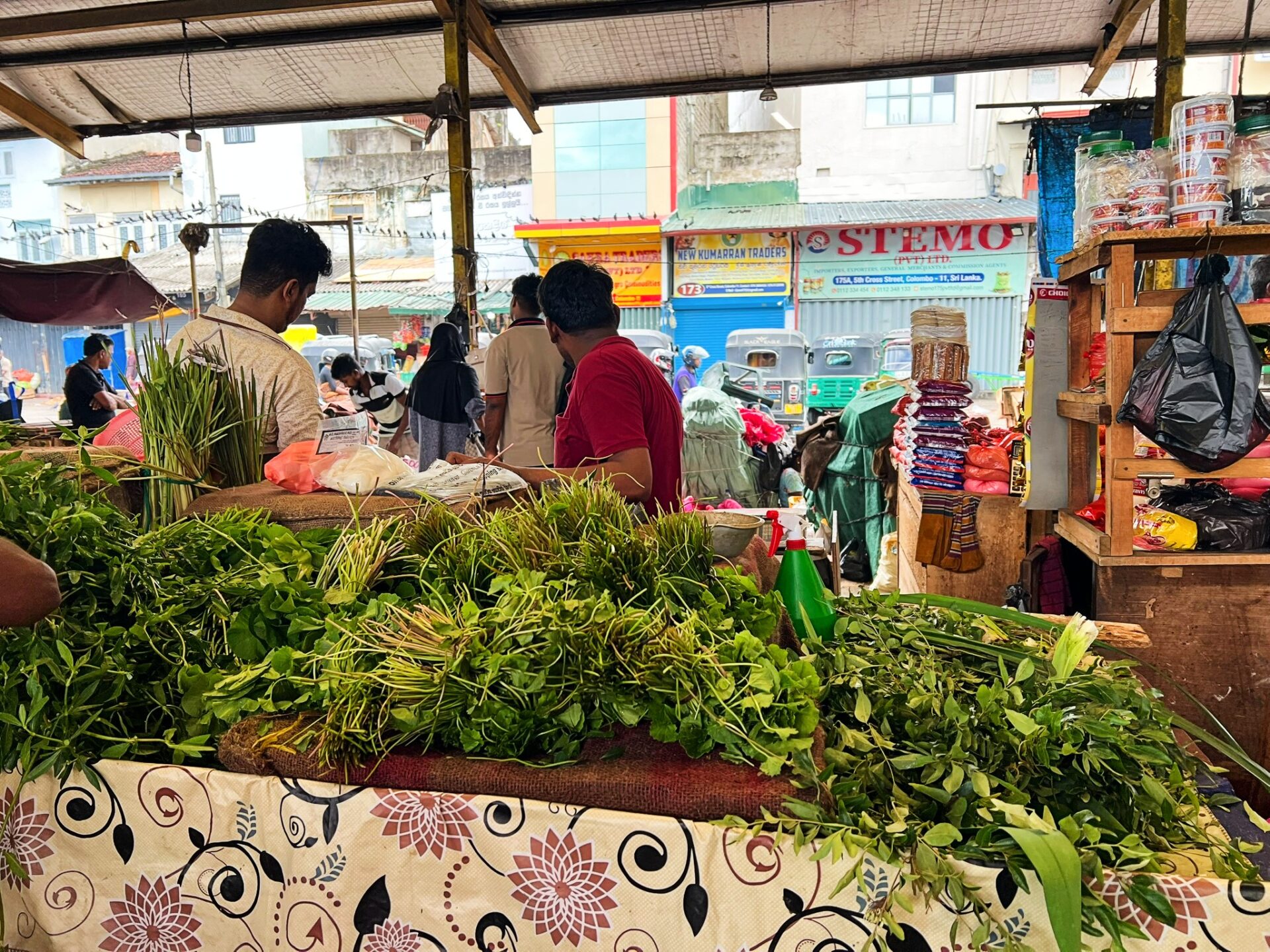
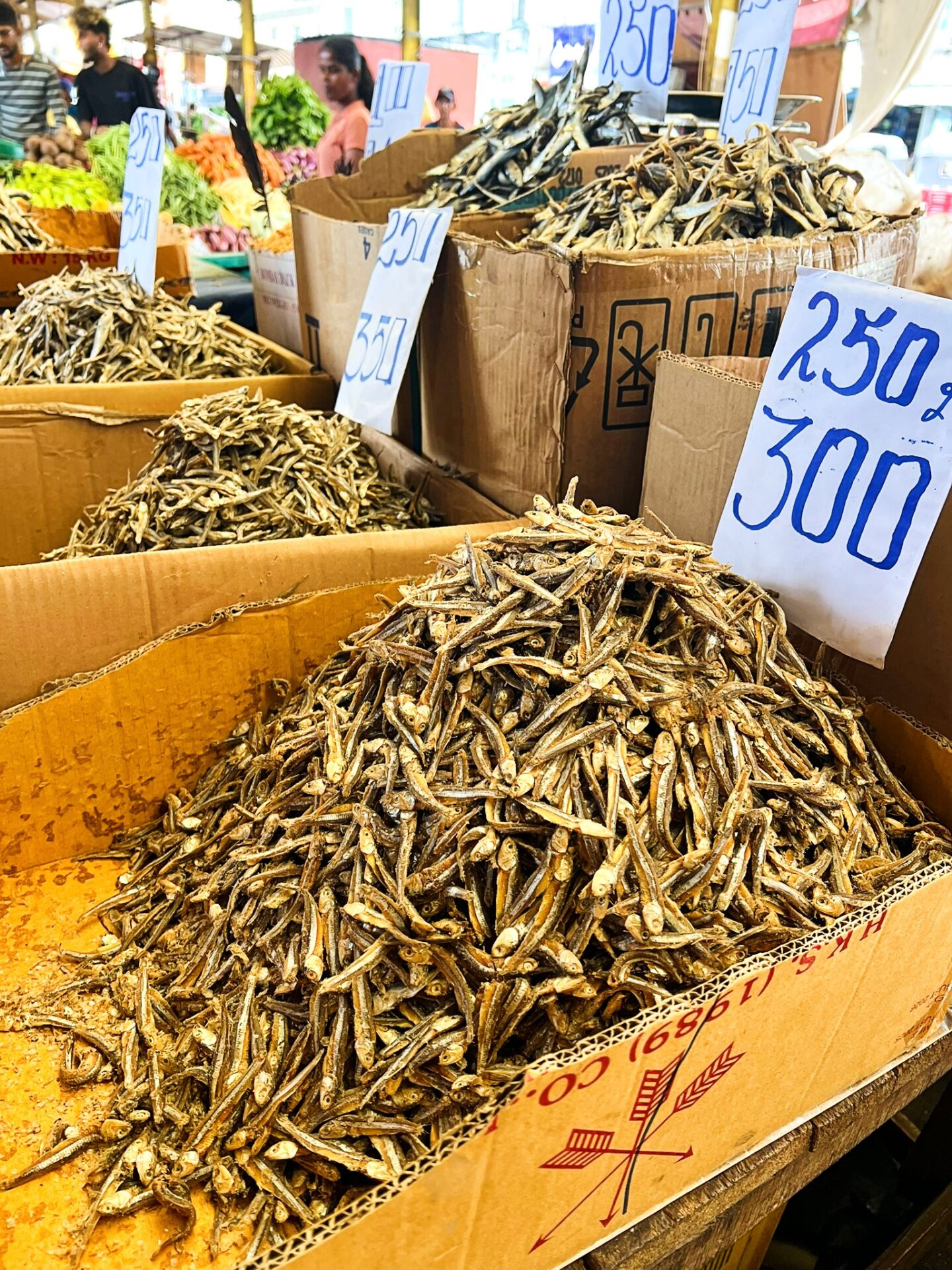
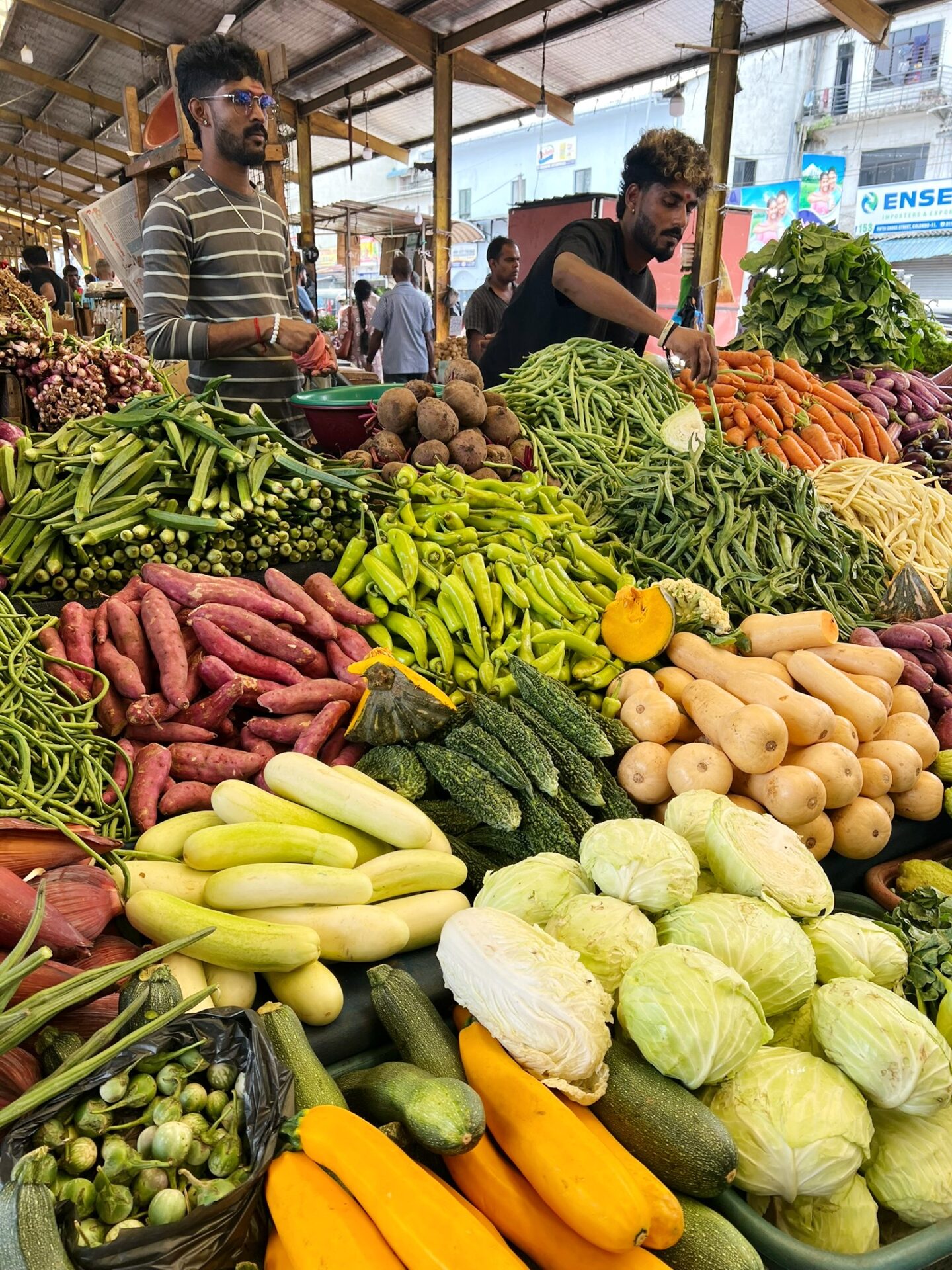
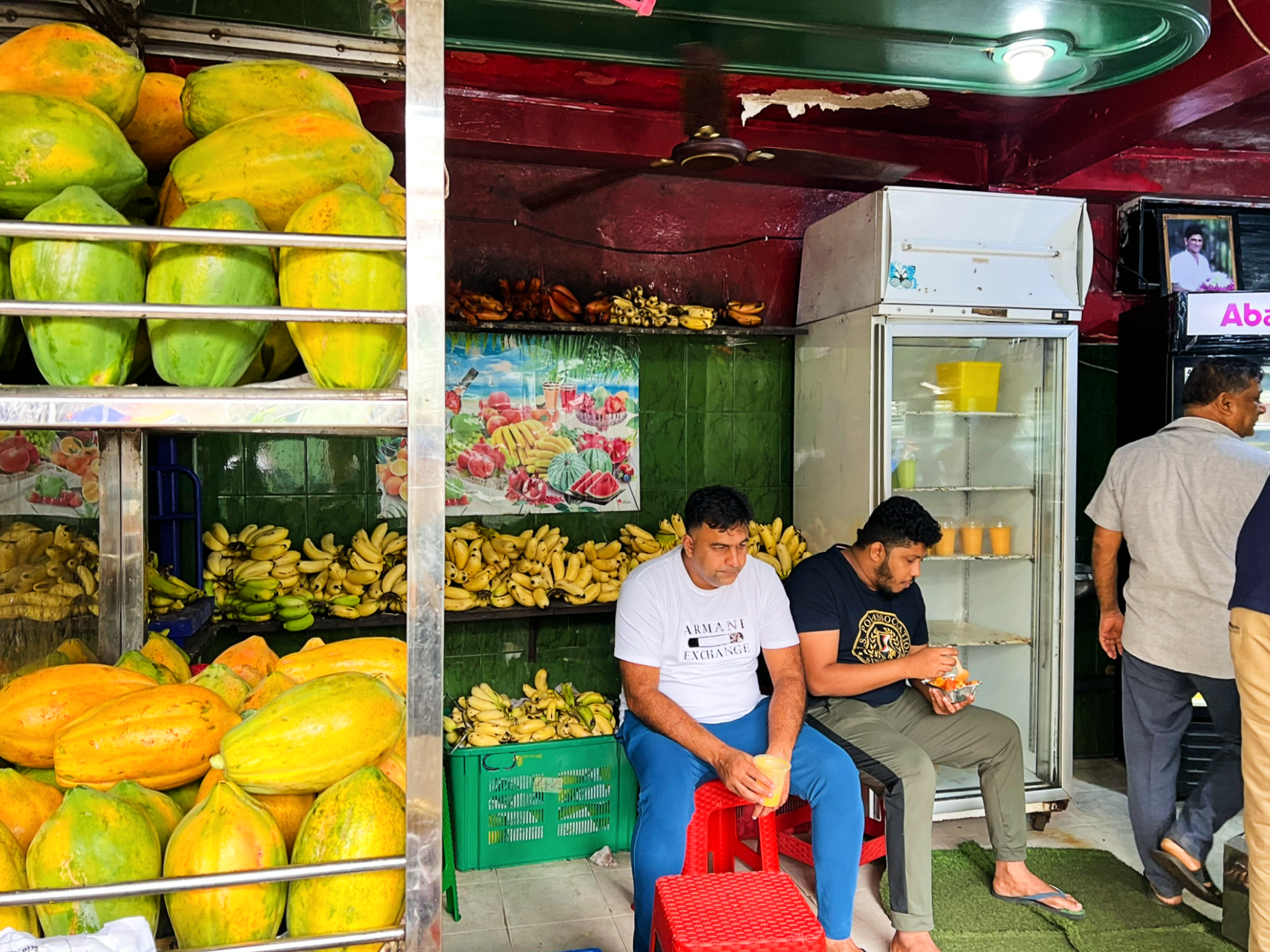
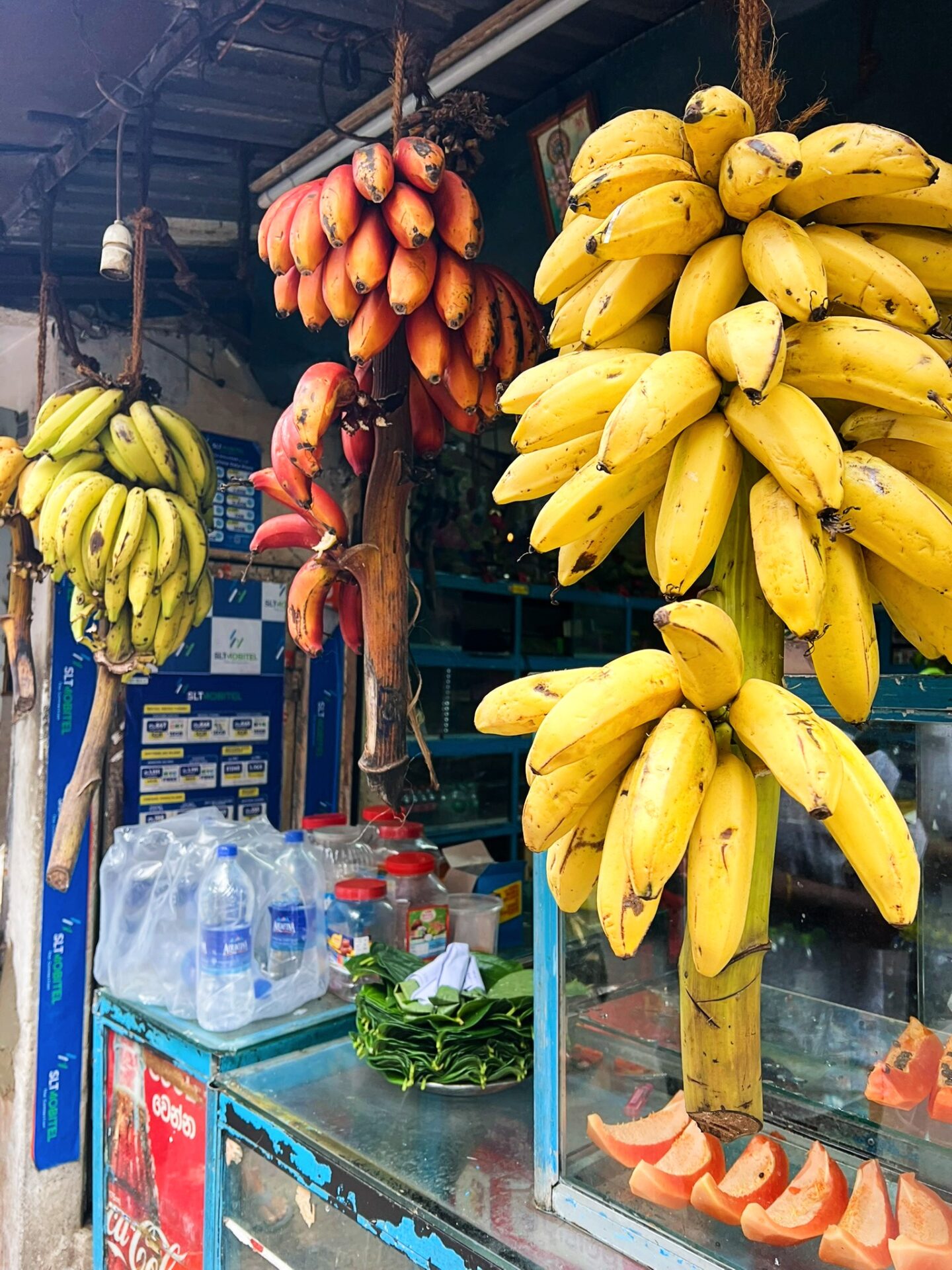
Separately, and yet nearby, is the vegetable market component of the Pettah market. I did get out here and walk around, taking photos of the amazing textures (lucky for you, I couldn’t capture the smell of the dried fish).
I love a big food market when traveling. It is fun to see what local fruits, vegetables, and spices are used. Sri Lanka prominently features freshly grown vegetables in their cuisine and cooking. Meat is not generally served (and hard to find), but the vegetable game here is strong.
Gangaramaya Temple
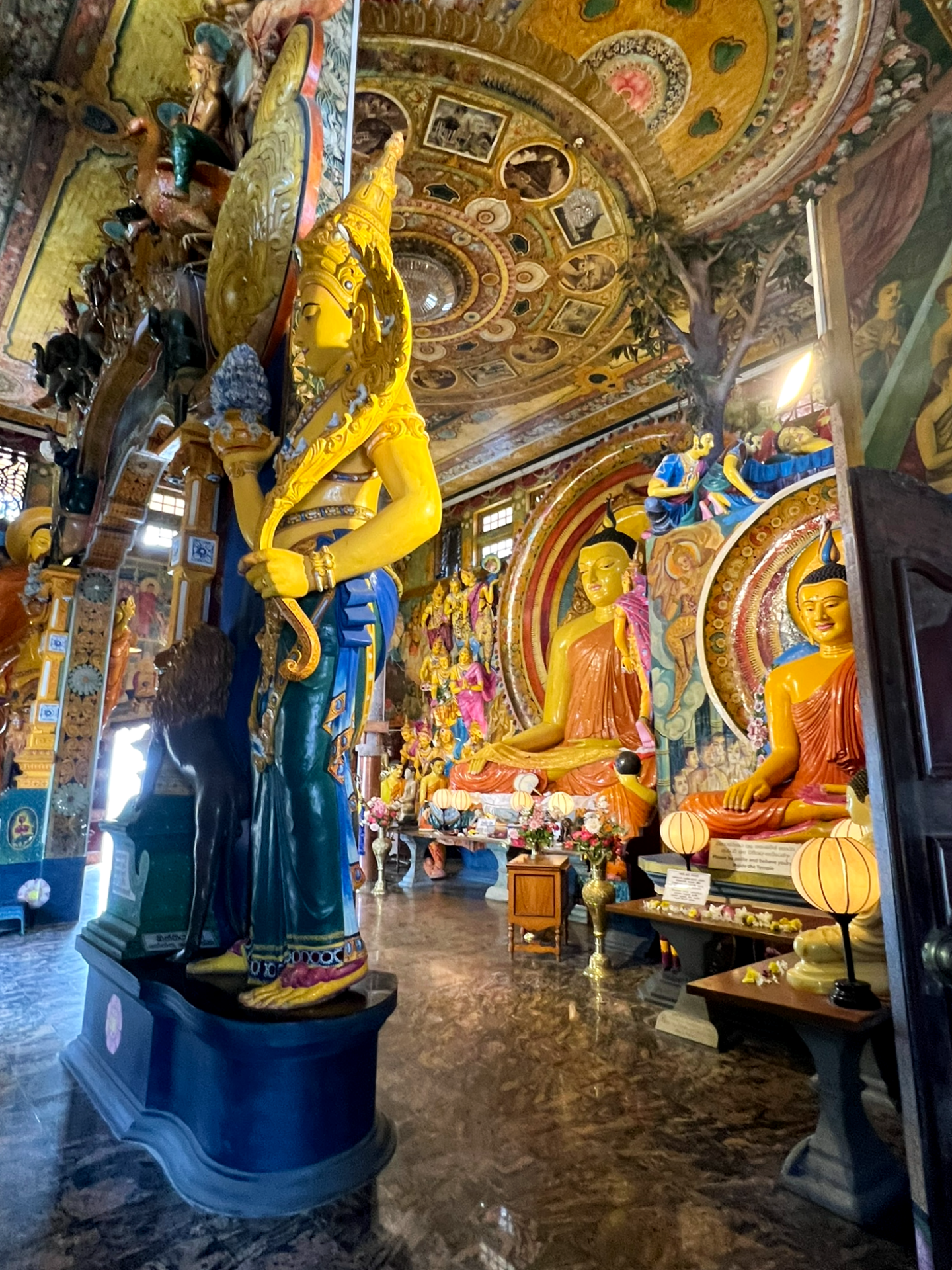
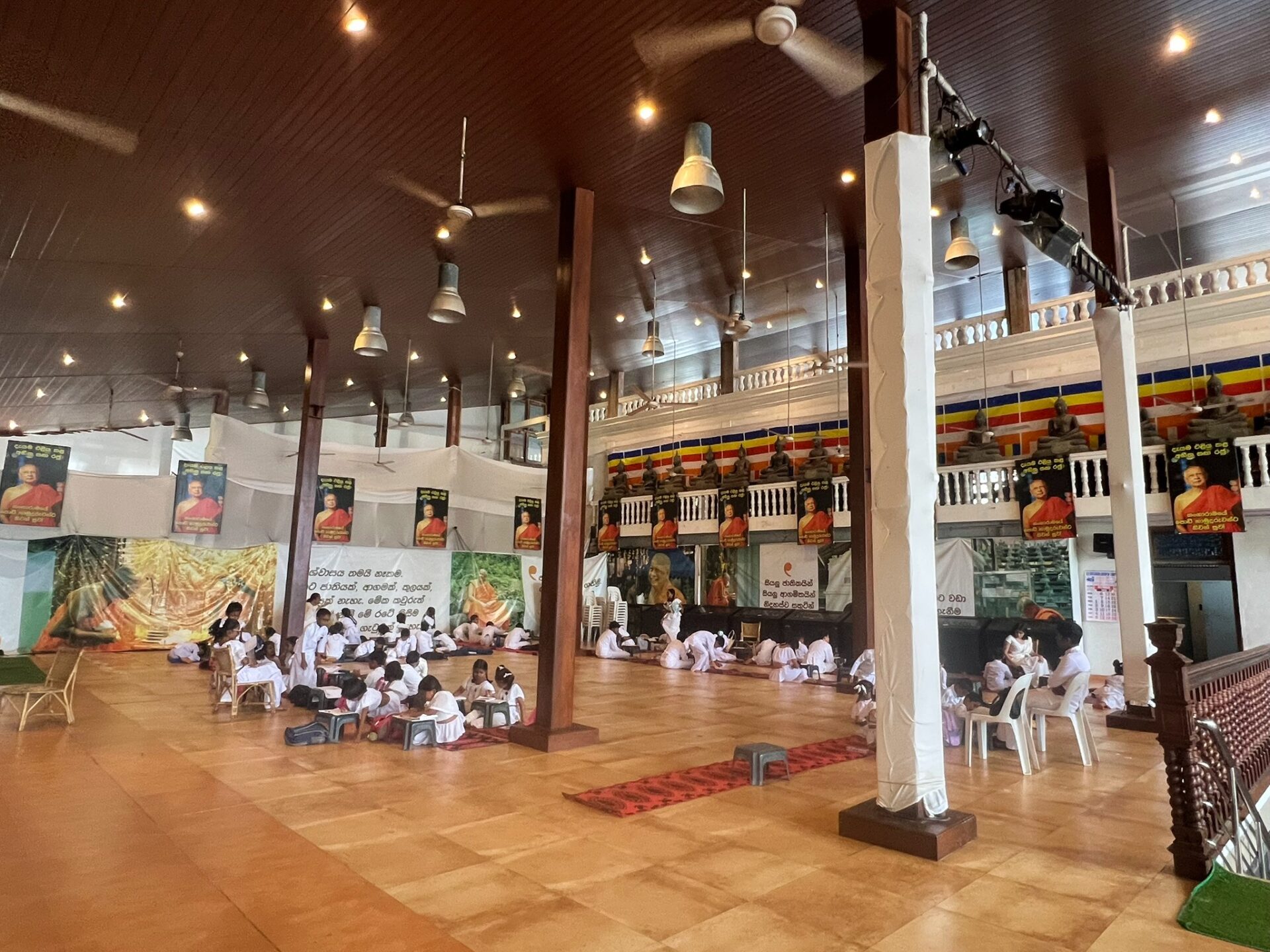
I got swept up by a tuk tuk driver (which, apparently, happens all the time in Sri Lanka since tuk tuk drivers can be a bit relentless) and taken to this temple. I didn’t mean to go here, to be honest, but I am not sorry I ended up here. My tuk tuk driver was kind, and the ultimate cost to my bank account was minimal. Seeing this temple on a Sunday morning, while school and prayers were in session, was illuminating and memorable.
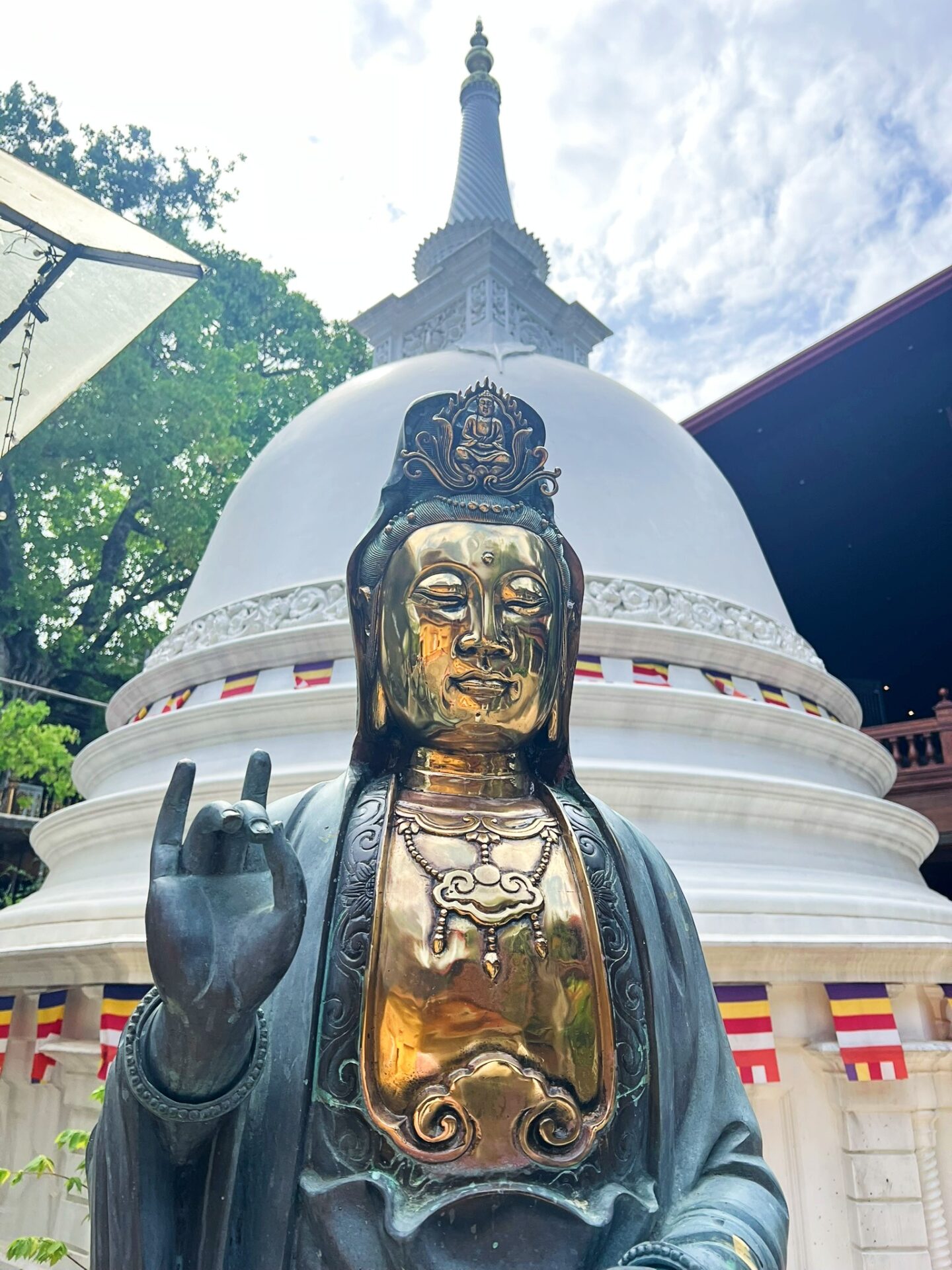
This is the most popular temple in Colombo and was built in the 19th century. It is still actively used for religious activities.
As a 200-hour certified yoga teacher, I am familiar with some of the teachings, beliefs, and history of Buddhism – but to see it actually practiced outside of a studio with mirrors and inspirational sayings on the wall was enlightening.
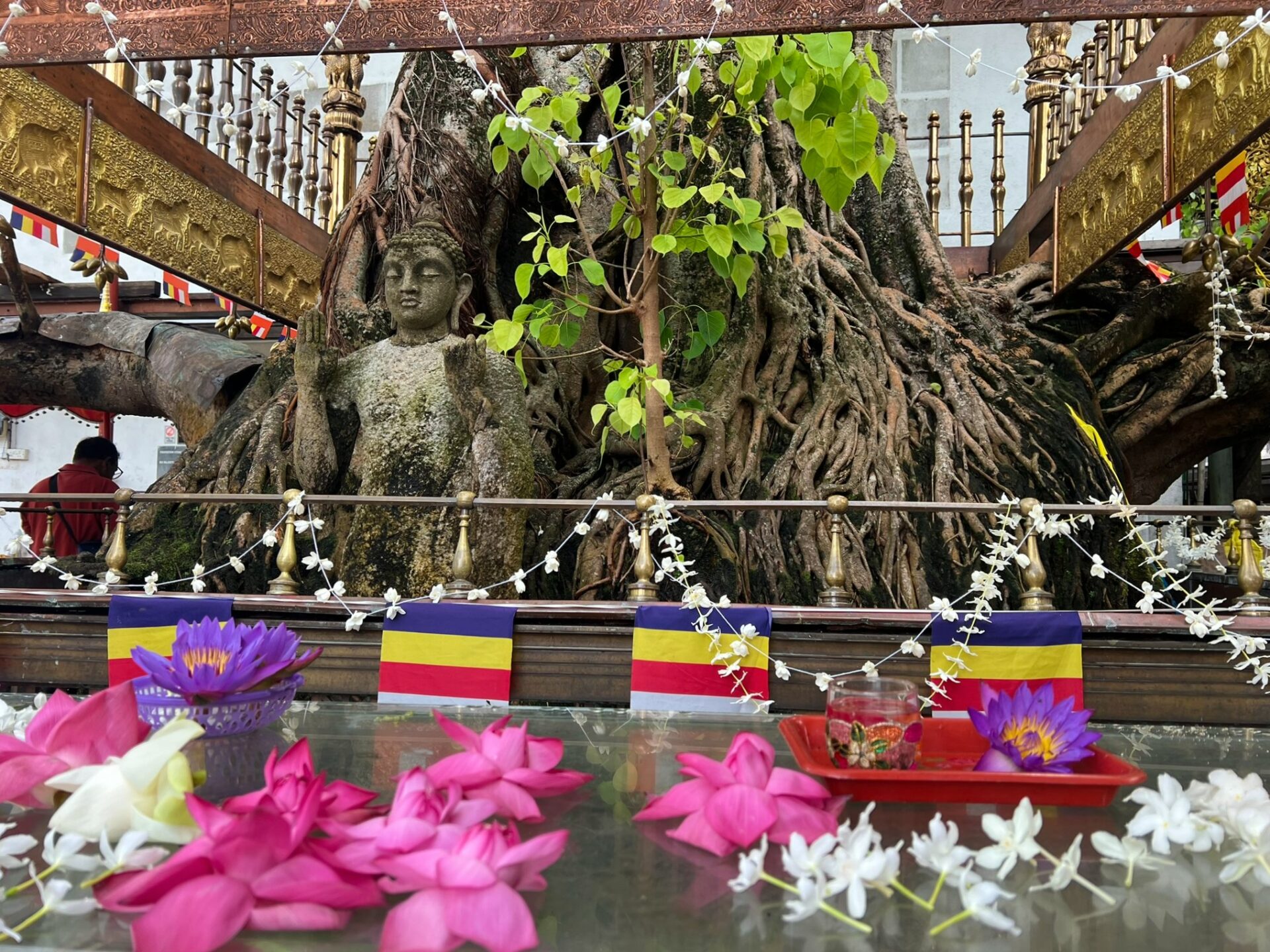
This temple was strange, I will not sugarcoat it. In addition to a huge bodhi tree that the temple was built around, there were guided meditations, chants, prayers, and lessons. But this temple also styles itself as a museum, which was a bit jarring.
There are antique cars, taxidermied elephants, cases full of hundreds of old watches, rotary phones from the 80s, change from all over the world, and many more “collections.” It was certainly unique!
There is a fee to visit the temple, but it was minimal (again, have cash). No shoes inside and appropriate dress is required. You do not need a guide to go through the temple.
For full details on Gangaramaya temple, visit the official website: gangaramaya.com.
Galle Face Green
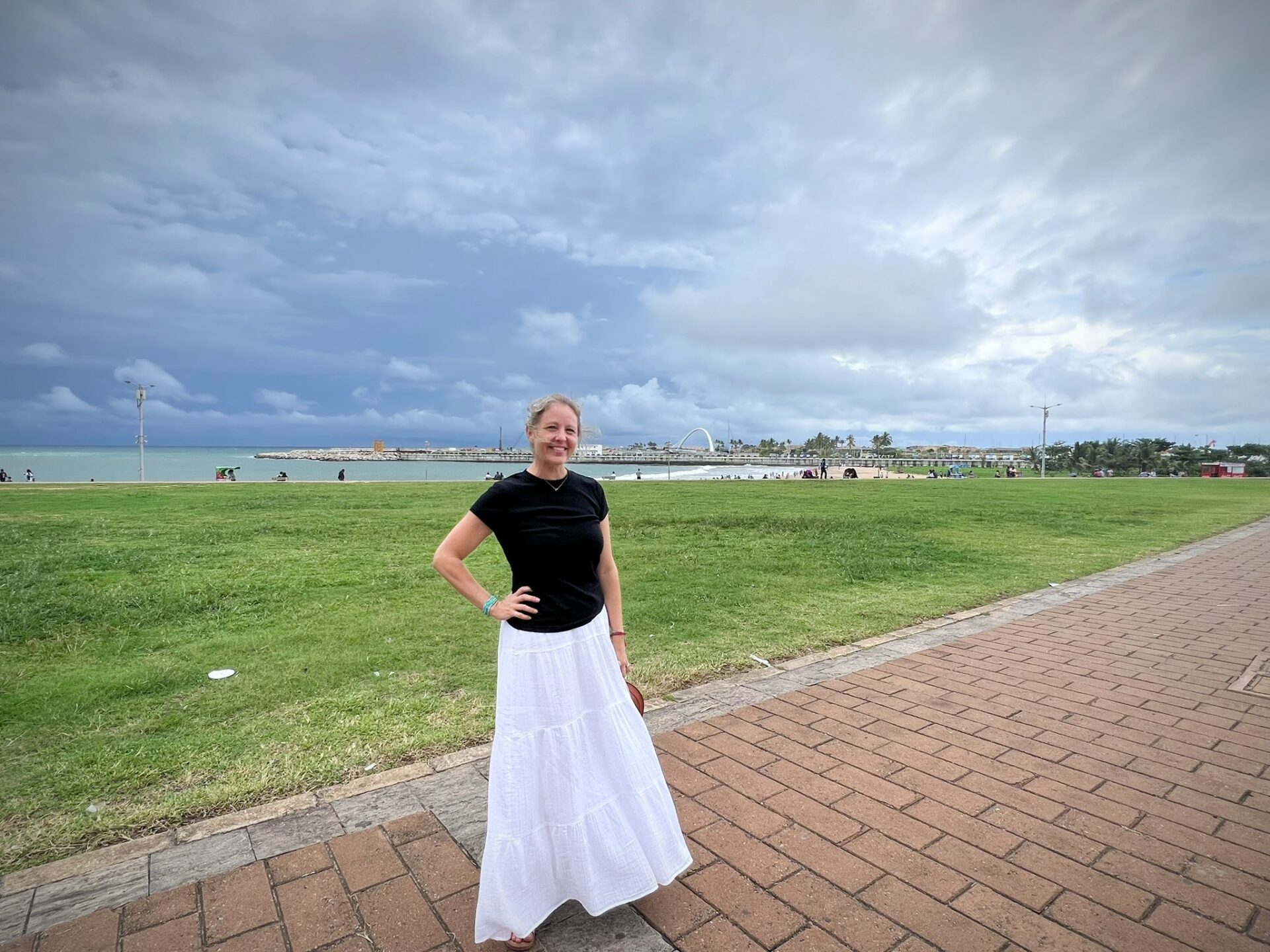
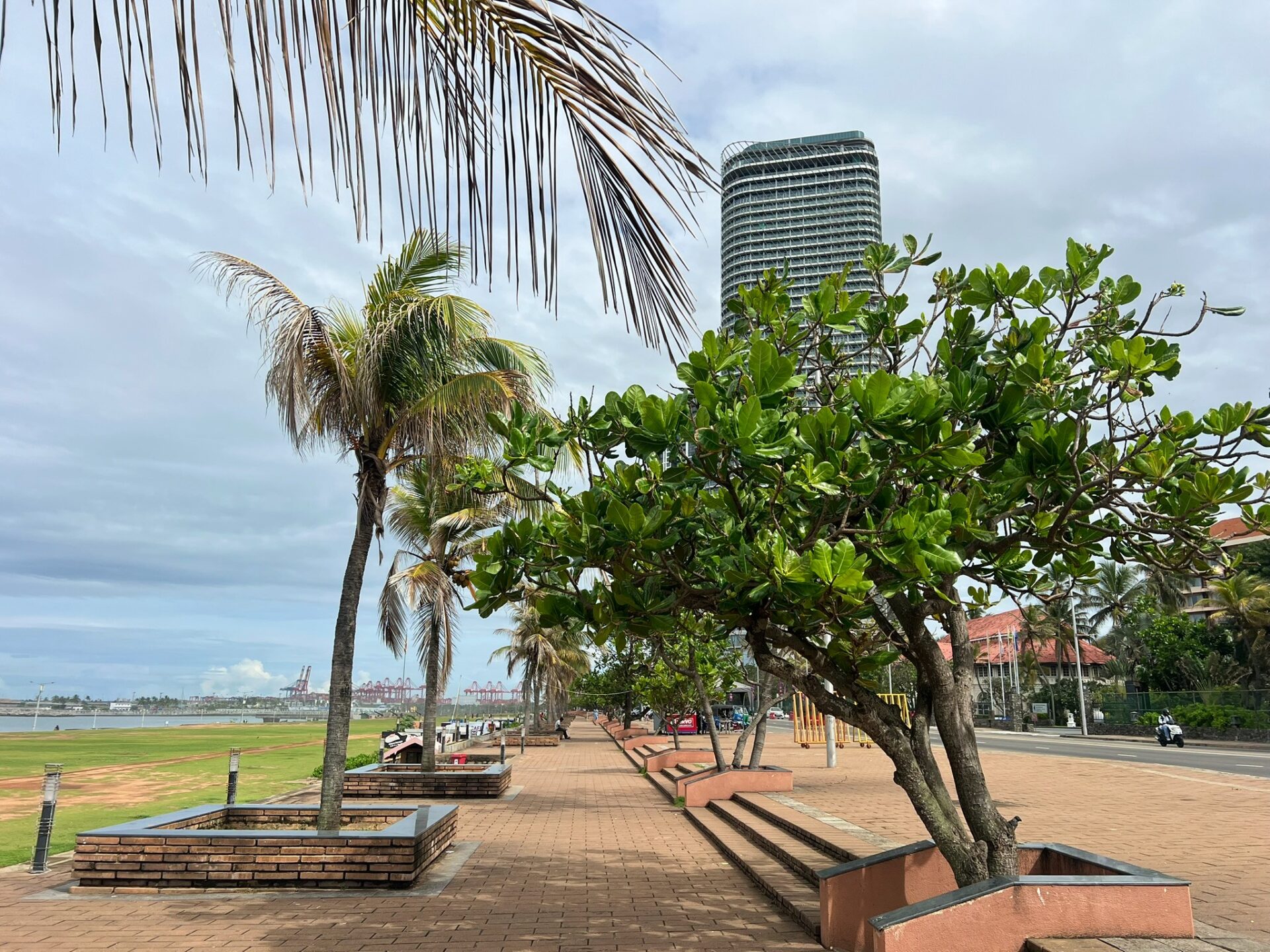
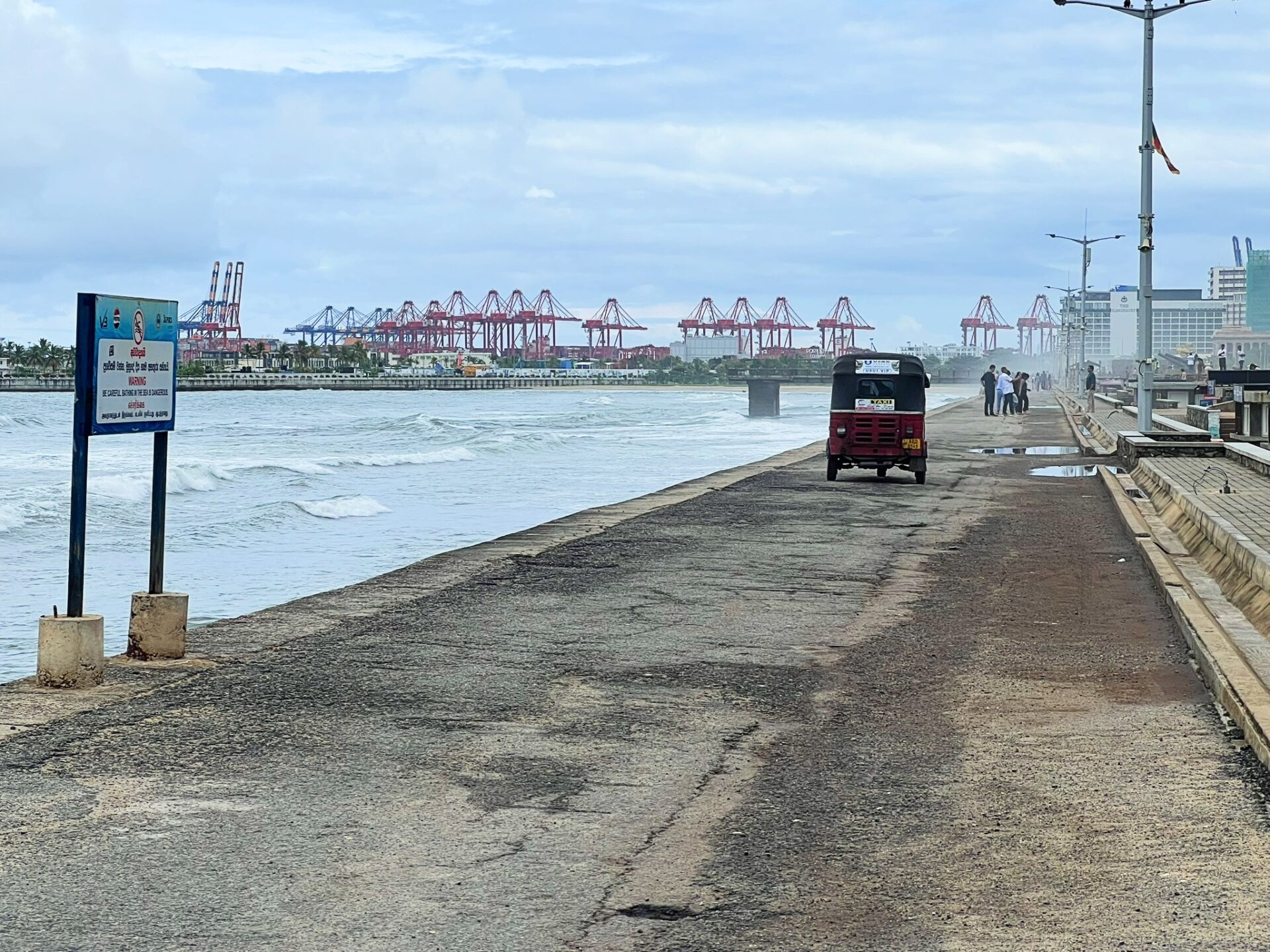
Galle Face Green, which the Galle Face Hotel sits at one end of, is a long public park on the ocean located in the financial district of Colombo. Today, it is 5 acres and has a lengthy promenade, green space for picnics and kite-flying, and stalls for vendors to sell food and beverages.
But years ago, in the late 1800s, this place was even larger and held polo matches, horse races, and golf games.
Note that there isn’t a beach to swim off of here. In fact, getting in the water here can be pretty treacherous.
The Lotus Tower
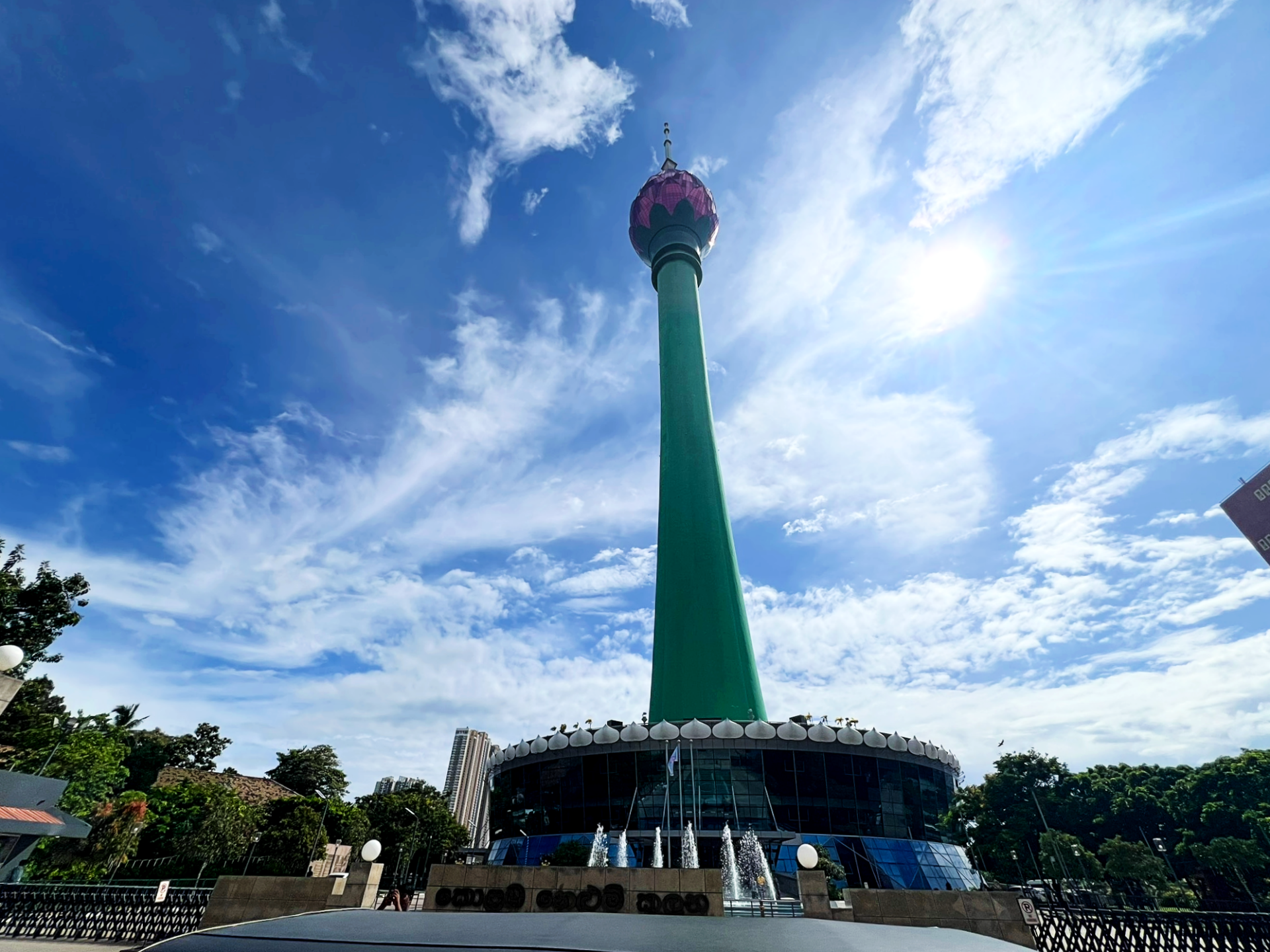
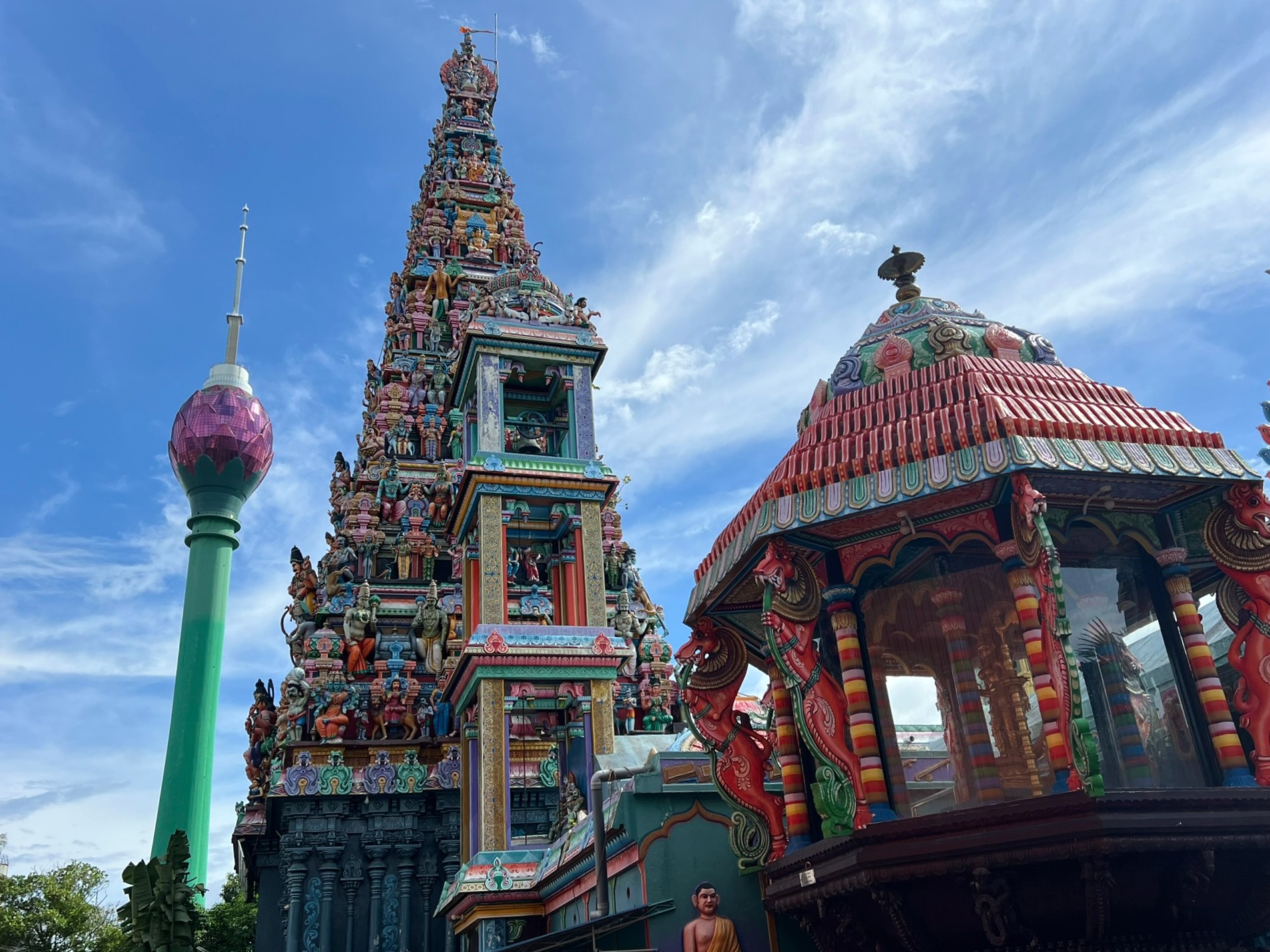
The Lotus Tower is a shining, brightly colored telecommunications tower allegedly built by the Chinese. Standing underneath it was fun – but you can go up in it! You can either purchase tickets to ride the elevator to the top or you can make a reservation to dine in the rotating restaurant at the top. (You all know that I love a rotating restaurant with a view but I skipped this opportunity this go-round.)
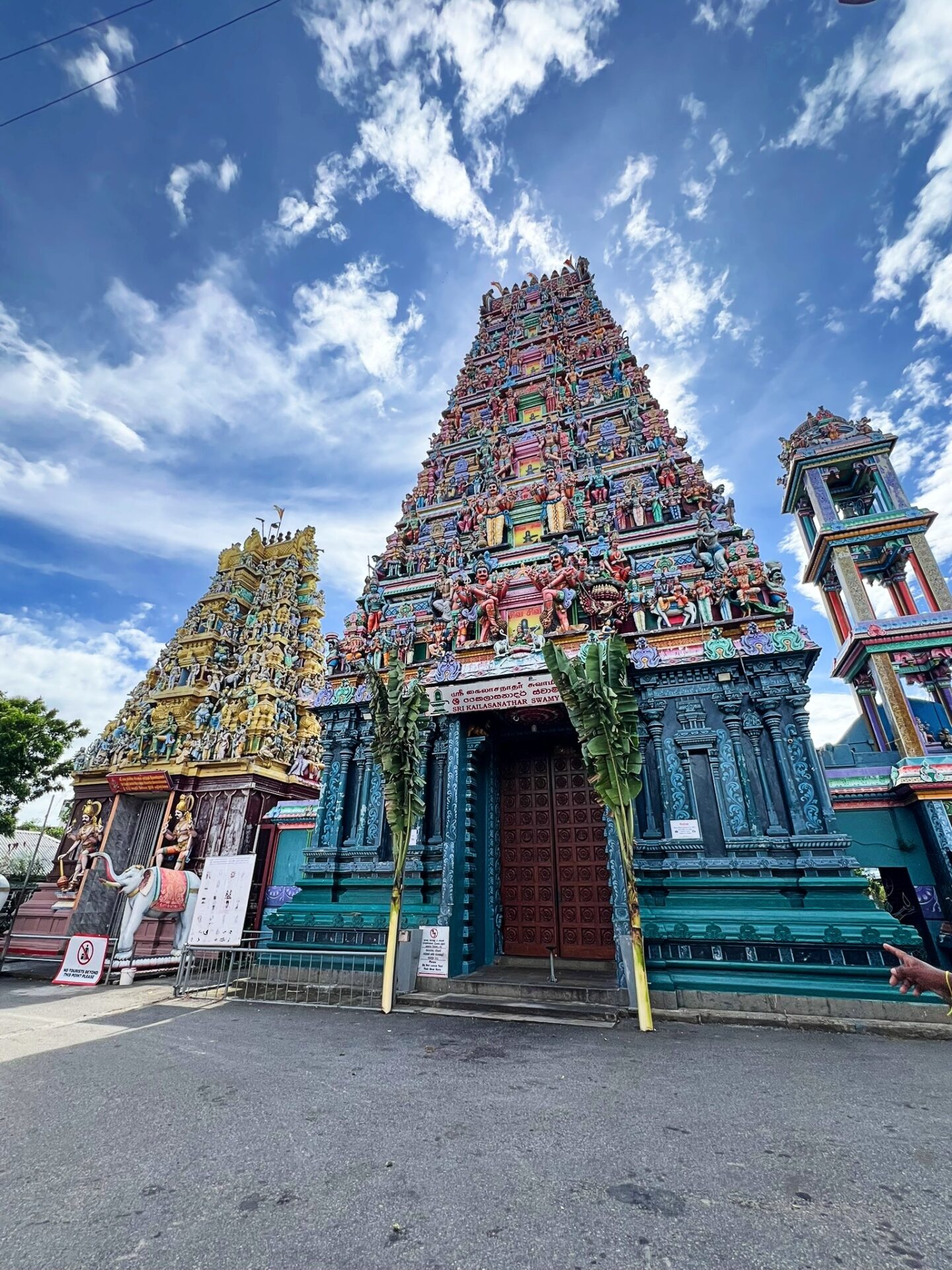
Temple Sri Kailawasanathan Swami Devasthanam (Hindu Temple)
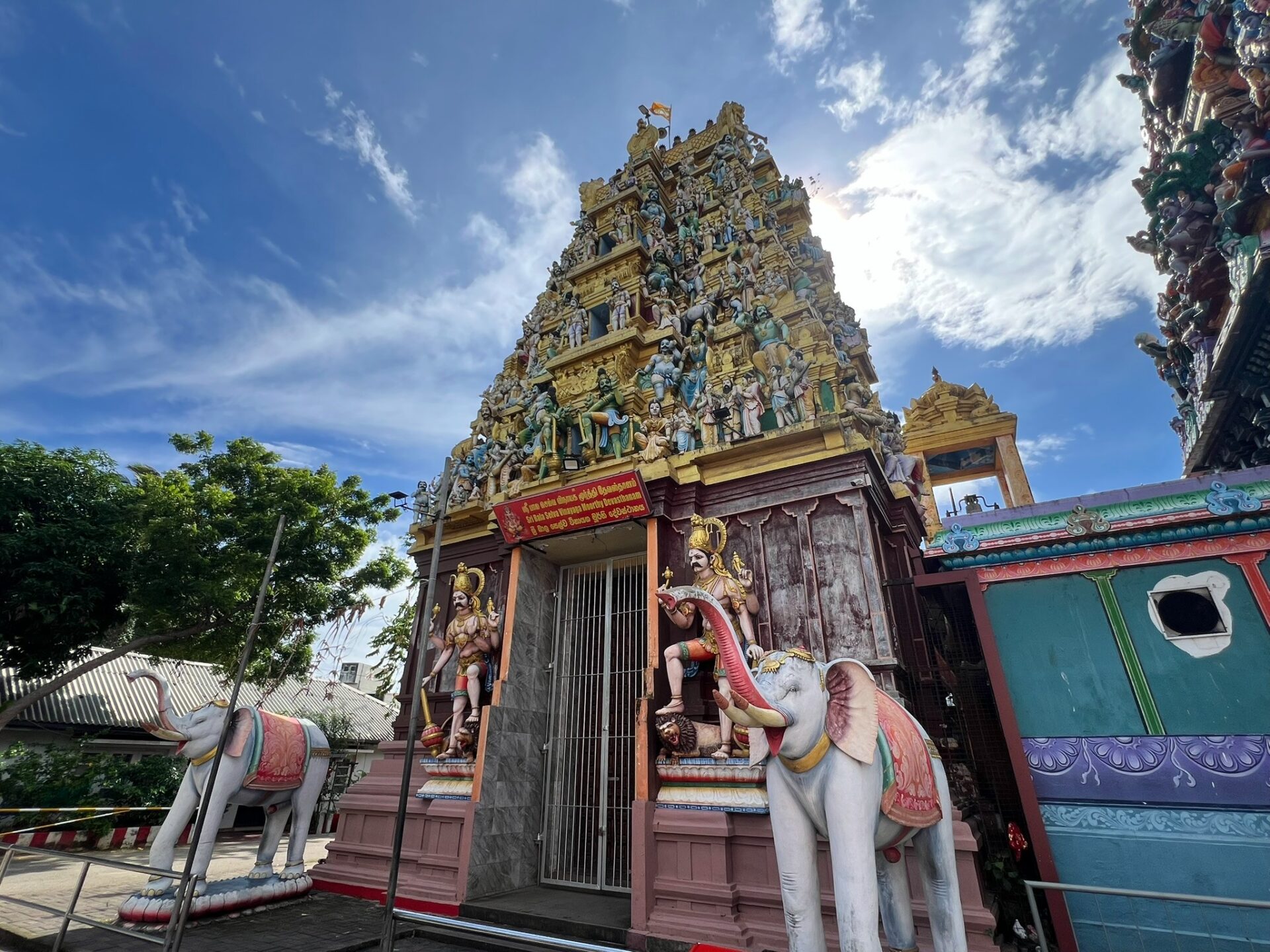
While most of Sri Lanka’s residents identify as Buddhist, there is a significant part of the population that is Hindu as well. Seeing one of the Hindu temples in Colombo was interesting! This is the oldest Hindu temple in the city and is dedicated to two Hindu gods: Shiva (god of destruction and transformation) and Ganesha (god of wisdom and success).
This temple was established over 200 years ago and took decades to build. It is incredibly elaborate and full of color. It is hard to take it all in.
Come outside the temple and meander down to the right, where you will see the “holy cows” of the temple.
While technically the temple is open to visitors for free (with appropriate dress required), it was not open when I arrived and hours are not posted. Yet even seeing this from the outside was an experience.
Eat!
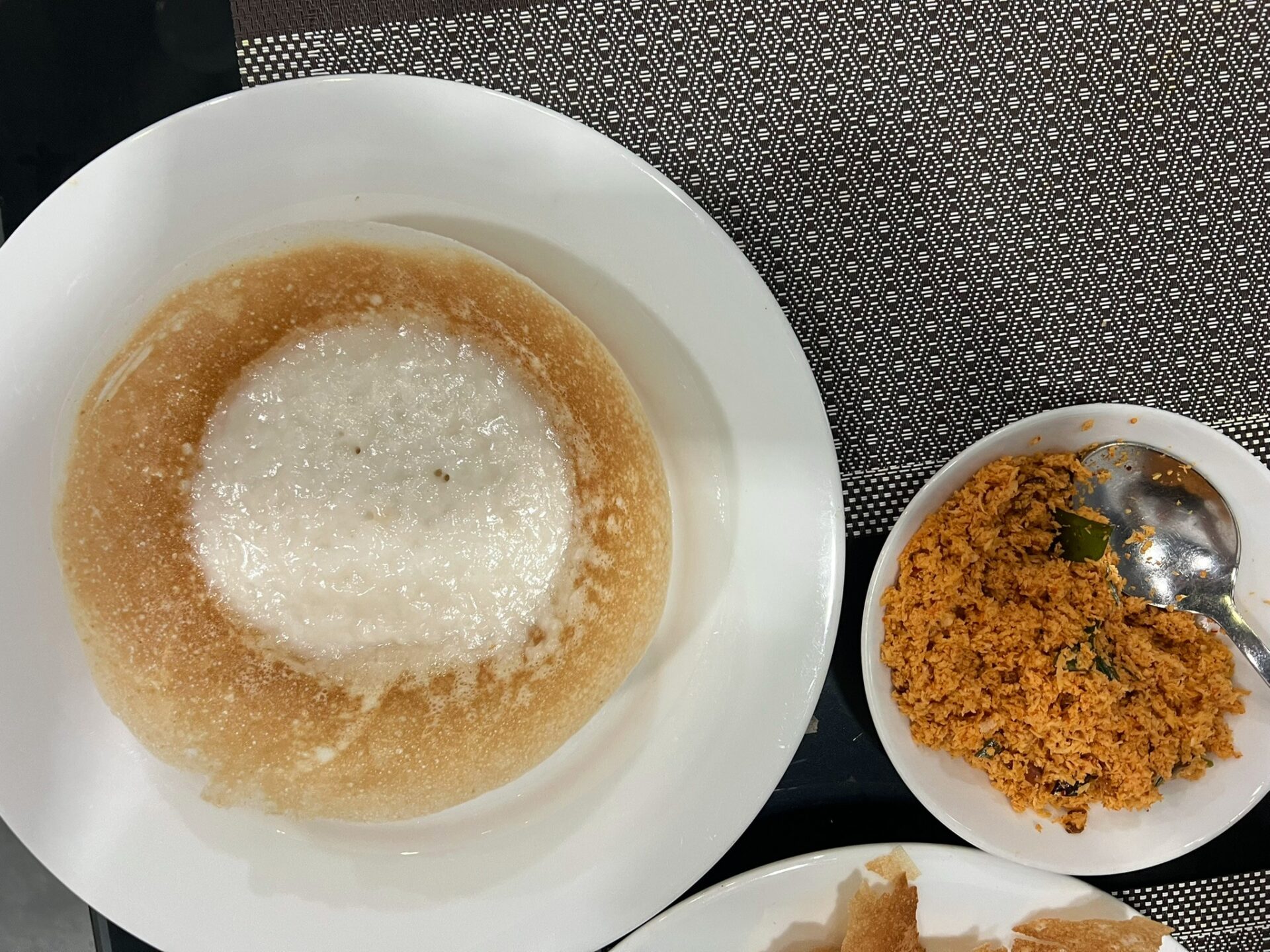
I loved Sri Lankan food. The country eats what it grows or raises, so the food that was put in front of me was always fresh and local. There was not a lot of meat – fish could be found and occasionally chicken, but not a lot of beef and no pork. But I love a vegetarian diet anyhow and found I was never hungry.
Note that Sri Lankans usually eat with their right hands (no utensils), and it is considered rude to use your left hand. And yes, they use their hands to eat dishes such as rice and curry. They believe that eating should be a textural experience that also appeals to touch, not just taste and smell.
While sanitation standards are different in this country than the bleached mania you will find in the U.S., I never felt as though things were unsafe, and I did not get sick or experience any digestive issues in Sri Lanka at all.
I ate curries, fresh bananas that are sweeter than what we import in the States (including red bananas!), fried fish, hoppers, roti, coconut sambol, and lots of kottu (a street food dish that mixes breads, vegetables, spices and protein of choice into a lovely fried concotion).
See the Red Mosque
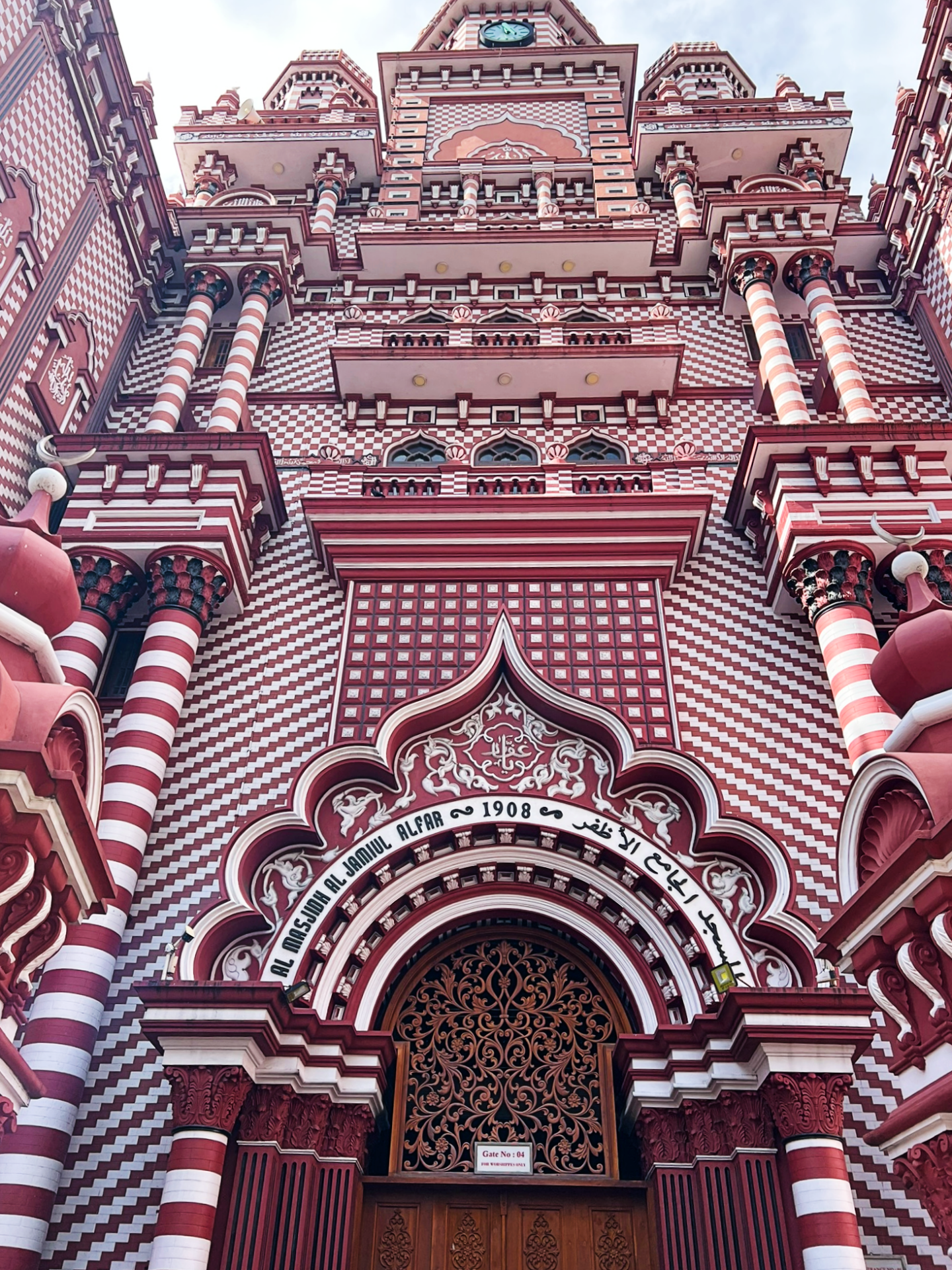
Jami Ul-Alfar Mosque is close to Pettah market and is one of the most highly photographed places. Built in the early 1900s, it is one of the oldest mosques in Colombo.
While the mosque is open to visitors, who would enter through a separate tourist entrance for free, the opening hours can be limited based on the day of the week due to prayers (when the mosque is closed to visitors). The mosque was shut when I arrived, but I was content enough to see it from the outside.
Visitors must be appropriately covered. Men and women must cover their legs and arms; women must have headscarves.
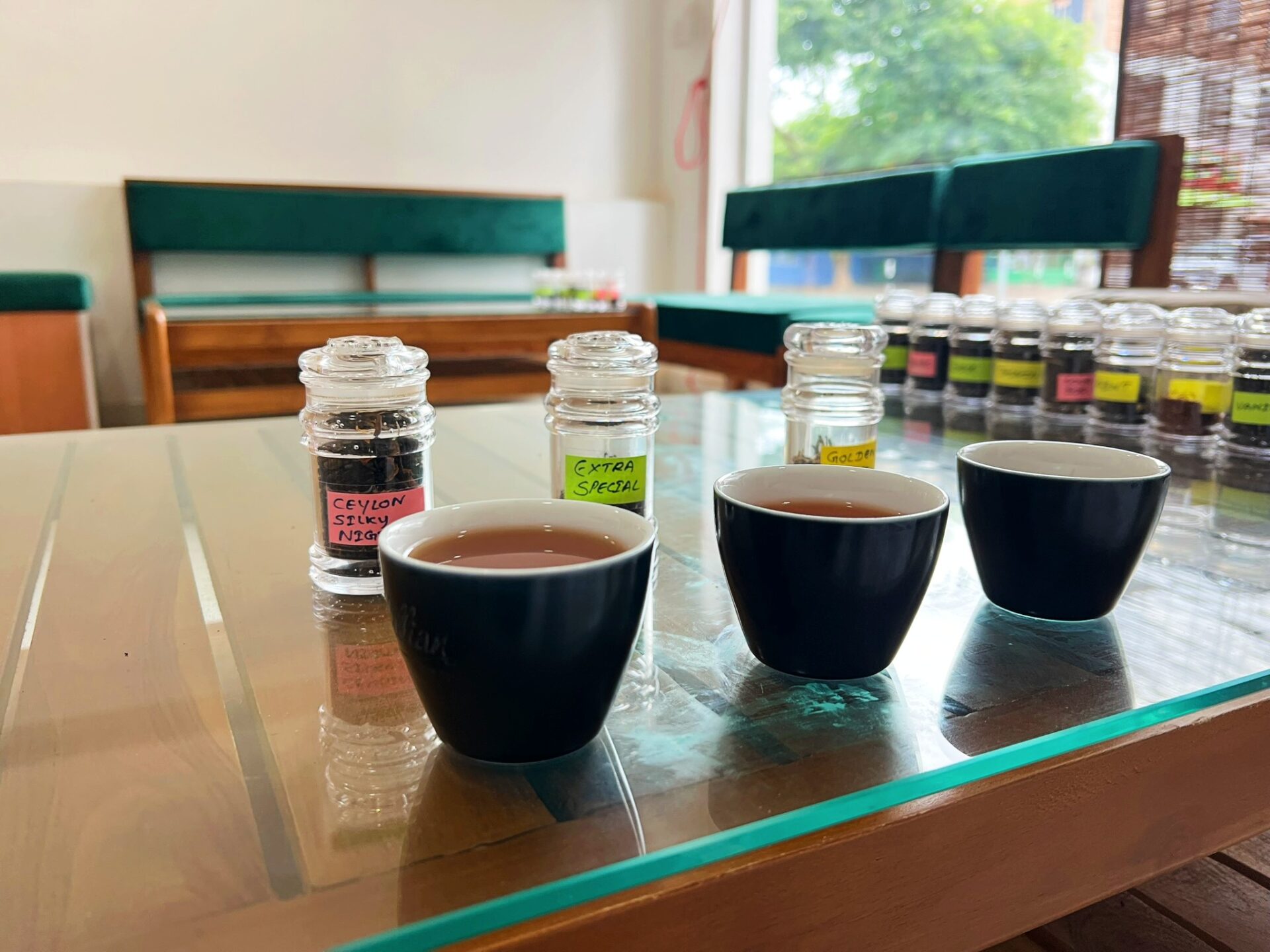
Tea is the backbone of this economy. Sri Lanka started growing, cultivating, harvesting, and exporting tea centuries ago and it is so important to the country. Take some time while in the country to appreciate this.
Galle Face Hotel has a lovely daily ritual at sunset. As the sun is coming down over the ocean, a Scottish bagpiper plays and marches across the chessboard tiles and over to the Sri Lankan flag waving high. A staff member ceremoniously lowers the flag to the sounds of the bagpipes, and together they retire the flag for the night.
Taking a step back, it’s kind of crazy: a Scottish bagpiper at a British-built hotel on an island in Asia. But it works!
There is a bar set up outside to purchase cold beverages and alcoholic drinks. You do not need to be a resident of the hotel to enjoy this moment.
This was the way my entire trip in Sri Lanka ended, and it was perfect.
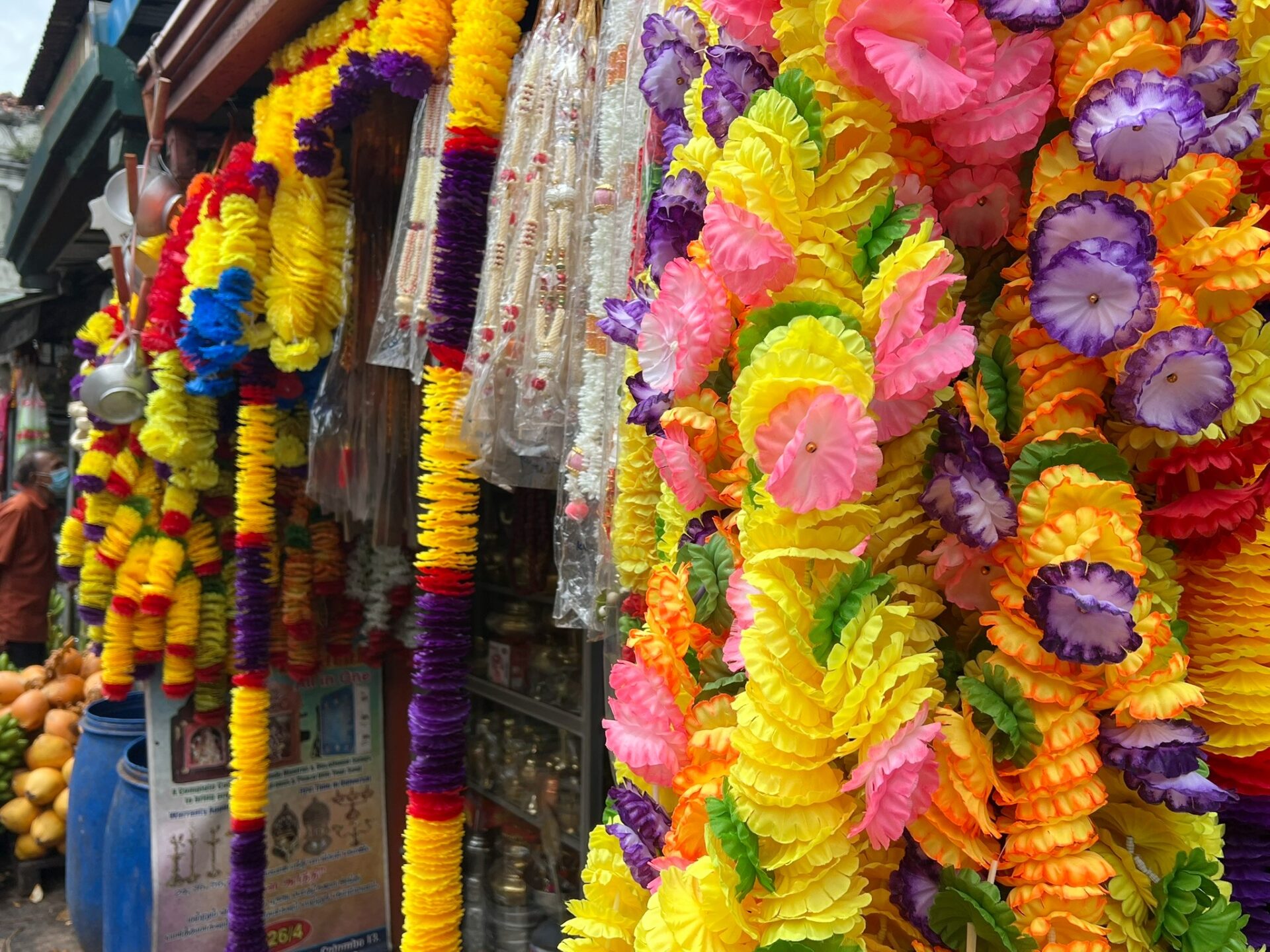
Colombo was so colorful – and a great jumping-off point for my upcoming tour around the country. Eating fish curry in a small restaurant off the market, feeling at once part of the moment and yet so outside of it, I had all of the travel feels we explorers live for.
Being alone in Colombo reminded me why those of us who love to travel do it. I had no choice but to be present in a moment so different than anything I could experience at home. There were new souls around me, new tastes that were exposing me to joys that could never be taken back. I felt at once uncomfortable and challenged yet also so alive. So in the end, I enjoyed the “unlovable city” of Colombo, Sri Lanka very much.